Cybersecurity breaches are becoming more intense. A host of new threats involving phishing, crypto jacking, IoT attacks, malware, SQL injection, artificial intelligence, and a lot more are a huge concern for anyone in the online world. Symantec reports that spam levels continue to increase significantly since 2015, and this trend is only shooting upwards. The use of malicious PowerShell scripts has also increased by a whopping 1000% in 2018.
While hackers are becoming better at their job, it is refreshing to learn that combating techniques are also improving. Today, you can protect your data by backing it up with reputable firms like ottomatik.io. This allows you to recover important documents anytime you are hit by malicious data loss on your end. Another option available to boost cybersecurity is the blockchain technology.
What is Blockchain all about?
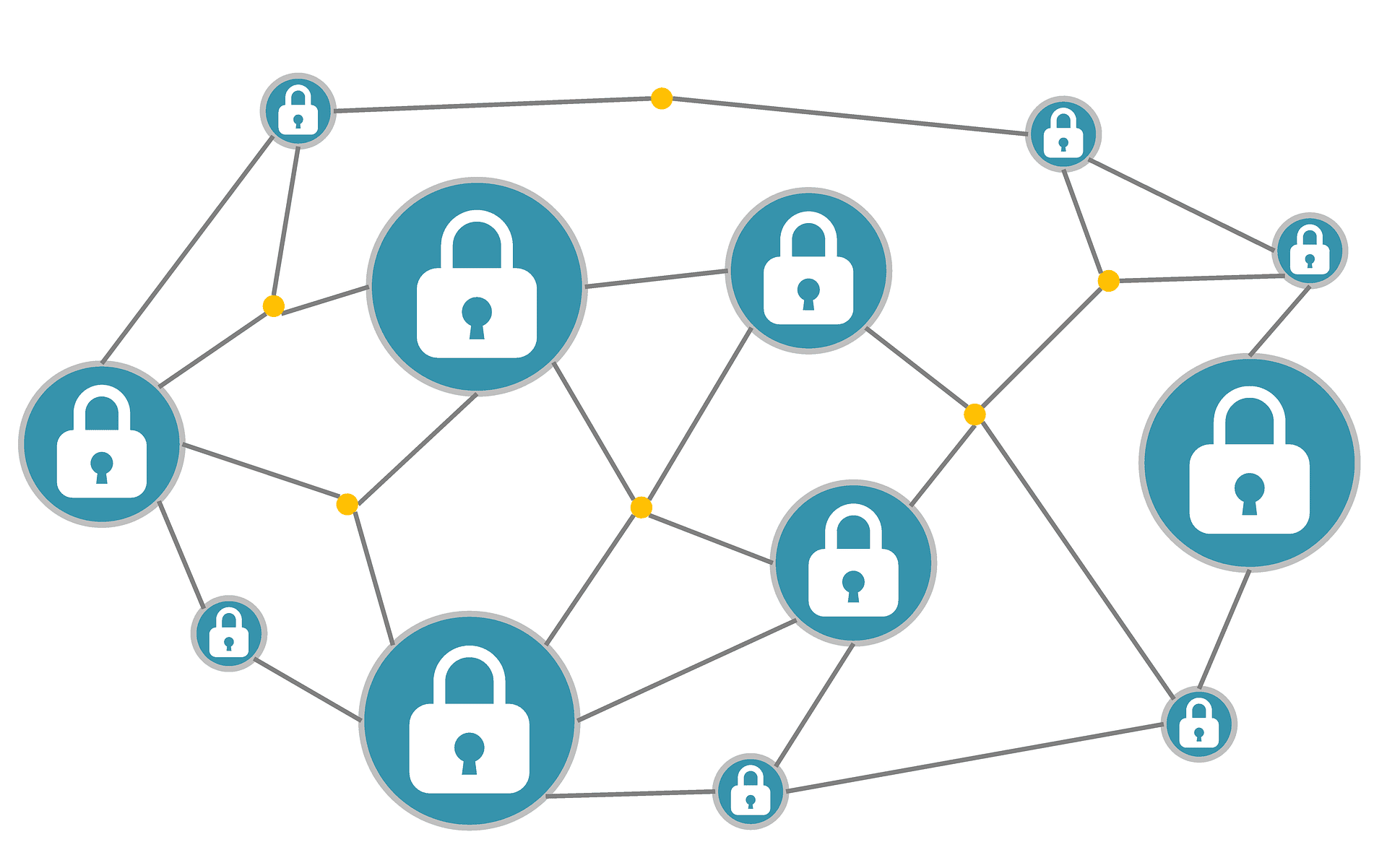
Blockchain is an almost impenetrable technology that is still relatively new. The blockchains are distributed networks that millions of users can use globally. All data in a blockchain is secured through cryptography and users can add details to the blockchain. Members of the same network are in charge of verifying whether details that users add to the blockchain are genuine. This is made possible with a three key system i.e.
- Receivers key.
- Public key.
- Private key.
With this in mind, let’s uncover some of the ways that blockchain can be used to fortify cybersecurity.
Prevents Data Theft and Fraud
Blockchain tech offers one of the most effective tools to protect data from fraud and theft. It does this by complicating the work of hackers. In order to corrupt or destroy a blockchain, hackers will have to get their hands on all the information stored on each user’s computer in the world. This translates to millions of computers each with a copy of all or some of the data.
It is almost impossible for hackers to bring down an entire network. If they hit a couple of computers, there will be some nodes or undamaged computers that will run normally to keep records and verify the data on the network. It goes without saying that larger blockchain networks with many users enjoy lower risk attack from hackers. This is thanks to the complexity that is needed to infiltrate such networks.
Verification of the Validity of Software Updates and Downloads
Trojan horses, viruses, and worms that invade computers appear in different forms. These are also becoming more difficult to identify with an untrained eye. In recent years, ransomware and malware are masquerading as legitimate apps. Blockchain steps in to assign exclusive hashes for updates and downloads. This makes it a lot easier for users to compare the hash of an intended download with that of the developer. As a result, this greatly reduces the chances of infecting your system with viruses that are well disguised.
Safer Domain Name System
Hackers usually have a field day with DNS (Domain Name Systems) largely due to the fact that it is highly centralized. Many scrupulous individuals combine DNS and DDoS (Distributed Denial of Service) attacks rendering websites unusable for long periods. Blockchain-based systems take care of this in an effective manner. Because they are decentralized, hackers find it more challenging to identify and exploit single vulnerability points. You can store domain details immutably on a ledger that is heavily distributed. Immutable smart contracts also power the connection, so that you can enjoy more security.
Conclusion
It’s evident that no industry is safe from hackers and their corrupt ways. In as much as there is no foolproof method to tame hackers, blockchain technology goes a long way to prevent your data from falling into the wrong hands.