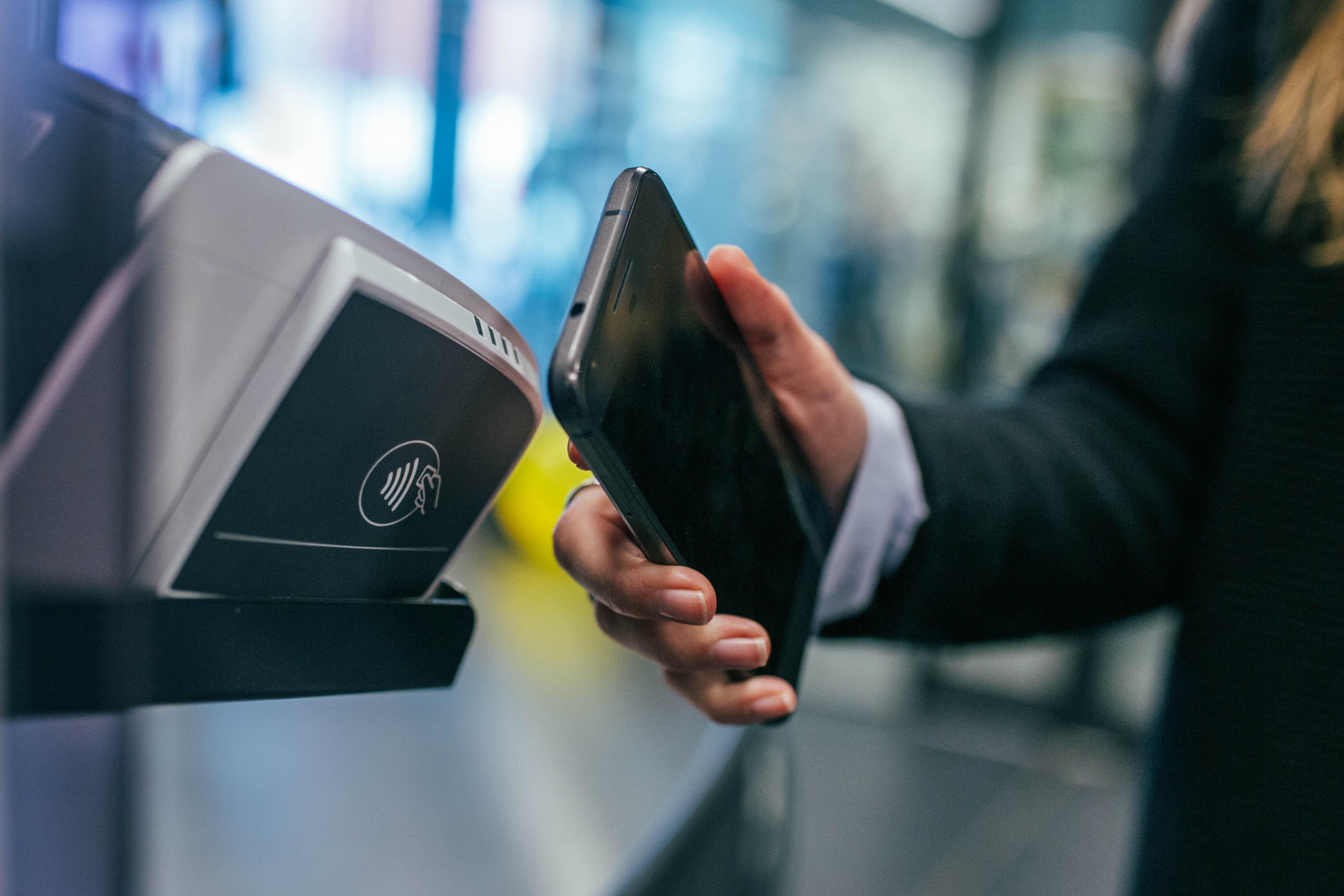
More businesses are shifting to the best practices in electronic payments because manual payment methods have become flawed. Manual payment methods are not only costly but also time-consuming, labor-intensive, error-prone, and inefficient. Unfortunately, in spite of these shortcomings, many businesses still use manual payment methods to process their invoices. There are numerous compelling reasons for companies to embrace electronic payment methods and discard traditional ones.
Manual Payment Methods and their flaws
Manual payment methods have many demerits making them unfavorable for many companies. Processing a transaction manually is 44% more costly than processing it electronically, not forgetting the labor required, the time consumed, and inefficiency created. Numerous challenges hinder companies from implementing electronic payment solutions. Among the most common ones include costs, integration with existing accounting systems, and vendor acceptance.
Electronic Payments Solutions and their Benefits
Innovative companies use numerous of these best practices in electronic payments methods. The common ones are ACH, virtual card, and wire transfers. ACH is an abbreviation for Automated Clearing House. It is a low-cost, fast, convenient, safe, and reliable payment solution. Many organizations use ACH for its incredibly low cost, especially when compared to traditional payment modes like checks. ACH payments are secure with multiple levels of fraud protection. Also, they facilitate transparency, audits, and spend visibility.
Virtual cards are revolutionary electronic payment solutions that are secure and flexible. They are ideal for post-invoice payments conducted through the internet, mail order, or phone. Virtual cards have positive outcomes for greater security and control. Also, they can be configured to meet unique organizational needs.
If you want to send or receive money quickly, wire transfer may be the perfect remedy. Wire transfer is an electronic payment solution that is safe, reliable, and instantaneous. It is relatively fast, and funds transfer takes less than a day for local transfers and few days for international transfers. Wire transfers are safer than traditional payment methods such as checks. A check can bounce or take numerous days to clear while a wire transfer is immediate and you don’t have to wait for the cash to clear.
Benefits of Electronic Payment Methods as the current
- Cut costs: Electronic payment solutions eliminate paper-based invoicing that is costly. Businesses that process more payments electronically record massive cost savings on paper and postage. They attain additionally cost savings from reduced transaction costs and dynamic discounting. E-payments help companies pay their invoices on time, take advantage of early payment discounts and avoid late payment fines. In the long run, businesses save hundreds of dollars in transaction costs.
- Increase speed and convenience: Electronic payments are fast and convenient unlike traditional payment methods like cash and checks. You don’t have to visit a financial institution and queue for long to wait for your chance to transact. Businesses can transact anywhere any time of the day. Also, you don’t have to wait for several days for a check to clear to access funds. E-payments are low risk, unlike cash payments.
- Improve efficiency and boost profit : Accounting professionals do not need to spend hundreds of hours and intense effort processing payments manually. They can divert their effort and time to other core activities in an organization to increase profitability.
- Prevent fraud: E-payments reduce incidences of accidental payments, double payments, and overpayments that affect a company’s finances negatively. Electronic payment solutions have features to detect fraudulent activities in AP.
- Create meaningful business-supplier relationships: Electronic payment solutions are fast, secure and suppliers receive their monies promptly. Businesses and suppliers do not have to handle paperwork manually, which saves both parties time and effort. A professional and long-term relationship develops with each party keeping their end of the agreement.
There are many compelling reasons for organizations to abandon manual payment methods and implement e-payment solutions. The best practices in electronic payments ensure safe, convenient, reliable, and safe vendor payments. They help businesses attain cost and time savings and operational efficiency. Do not be left behind in this accounting revolution; implement electronic payment systems and enjoy their enormous benefits.