In a recent report, “2023: The Year Digital ID Reaches Your Wallet (and Changes How You Pay),” Christopher Miller, Lead Analyst of Emerging Technologies at Javelin Strategy & Research, examines the current state of digital wallets and how the introduction of a digital ID can further drive up adoption of them.
Although digital ID is not a technology directly related to payments, it presents new opportunities for identity verification—a critical component for financial services.
“The ID itself has some use cases down the road for payments, like account onboarding,” said Miller. “If you’ve got to do KYC, what’s better than a fully digitized ID? With a fully digital ID that’s part of a KYC flow, it will make it easier to integrate that into the operating system of the device, with the device itself acting as an authenticator.”
With a digital ID, it’s all about convenience. “Right now, if you’ve already chosen to do digital payments, you don’t need your wallet for your credit cards. But you do need it for your driver’s license. If we’re going to have a world where people fully adopt digital wallets as their [primary] wallet, you’ve got to chip away at all the different things that need to be in a wallet,” said Miller.
Adoption of digital wallets has been relatively slow, though there was a spike during the pandemic. That’s because many consumers are just comfortable paying for good and services the way they’ve always done it. According to Q3 2022 data from J.D. Power, 49% of respondents said it’s easier to pay using a physical credit or debit card as opposed to a mobile wallet.
That said, consumer shopping behavior has shifted amid the pandemic, and more consumers are turning to their digital wallets for purchases.
The Digital ID Era
By and large there are generally two kinds of digital wallets—those associated with a specific device manufacturer, and those that can be used by any device. “The ones that are essentially embedded in your mobile device are Apple Pay, Google Pay, and Samsung Pay,” said Miller. “The operating system agnostic ones include PayPal, Square, and CashApp.”
“Right now, there are differences between these wallets,” he added. “Over time, as they each build out their own financial ecosystems with services like Buy Now, Pay Later (BNPL) and crypto trading, there aren’t going to be massive differences.”
And what may drive up adoption even more is digital ID.
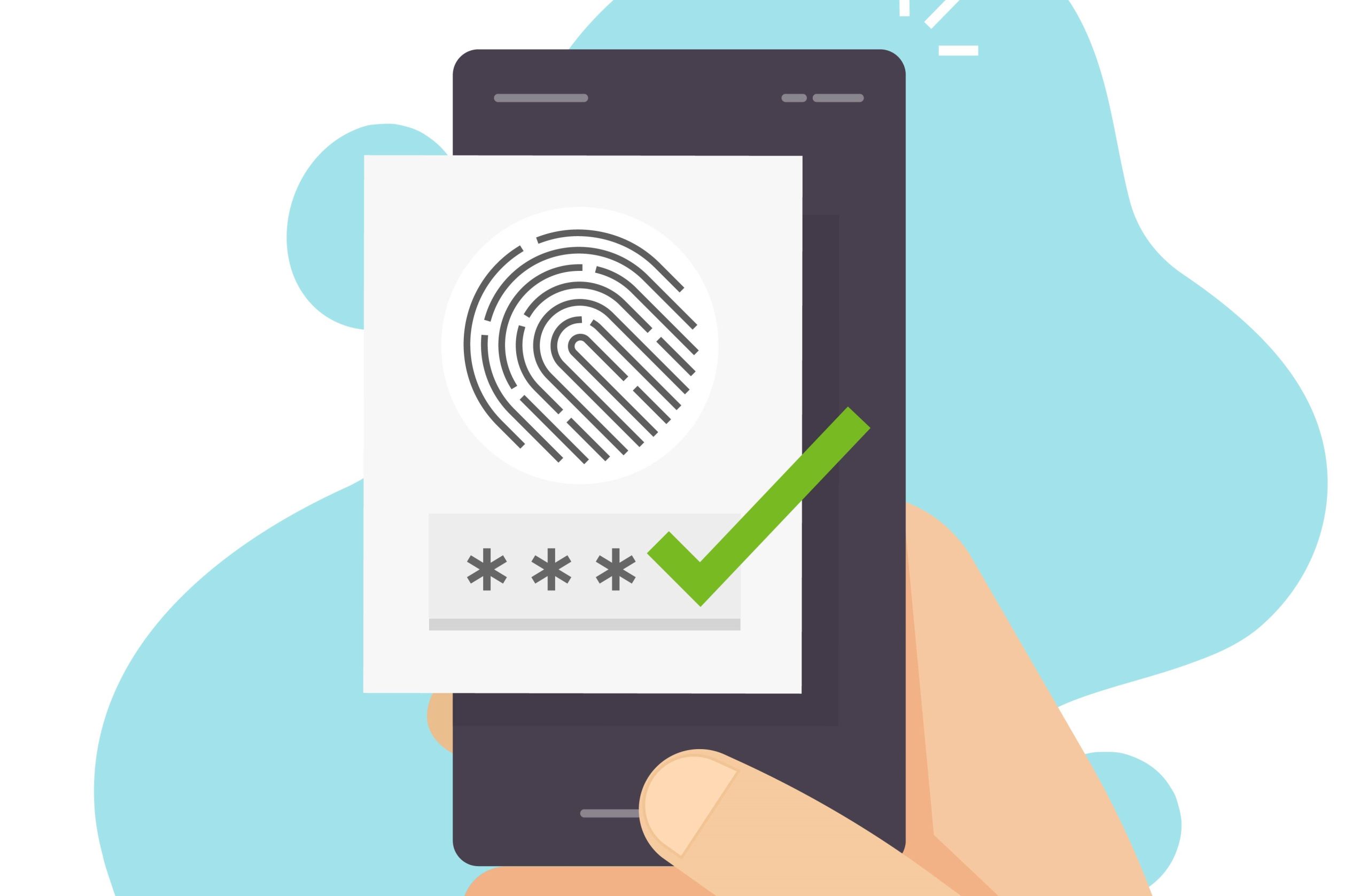
With a digital ID, a consumer’s mobile device can serve as a legal ID they can use to board a plane, show to a police officer, or open an account.
With a physical ID card, a TSA employee puts the ID into a card reader, which then verifies the ID. The TSA employee then looks at the person presenting the ID to make sure the person’s appearance matches the picture on the card. A digital ID would work the same way. The person would present a phone, which would have a barcode or QR code, which can be scanned, and links to a government record. “Essentially, your phone becomes a token which refers to a government authorized database,” said Miller.
But a digital ID is going to happen overnight. The amount of time and effort necessary to negotiate with every state about digital ID requires a lot of capital and patience. “Apple had to go out and build relationships with each state that has chosen to allow its state ID to be available through the Apple Wallet and that’s not easy,” said Miller. “This is the same reason that selling insurance is a pretty defensible moat, because it’s a 50 state regulatory regime. Building a national product is a lot of work, and only very big players can do it.”
According to Miller, Apple, Google, and Samsung have been building out partnerships, and are at very different places along the path of getting governments on board with local ID. “Right now, Apple’s the only one in production,” said Miller. “Google says they’re going to do it, but who knows? Samsung has begun to do it, but they’ve been building more from their Southeast Asian base, with less of a U.S. focus.” Regardless, the first companies involved with producing digital ID will be involved in establishing the standards around interoperability in a global world.
According to Miller, different states in the U.S. are validating digital IDs in different ways. “In some states you might have to register the device itself. The token, in addition to the device, is harder to spoof.”
This year, the number of states and pilot programs involved will continue to grow, resulting in greater public awareness of digital IDs.
“It’s a really interesting thing because it’s every bit as complex as payments, in that you have to coordinate lots of different stakeholders for it to work,” said Miller. “There’s the technology side, there’s the device side, there’s the consumer behavior side, there is the issuing agency, and there’s the acquiring agency.
“If you want to use payments terminology here, the state is the issuing bank in the sense that they issue the card, and then the TSA or whoever else is the acquiring bank in that they’re the ones who have to accept this credential issued by some other party,” he added. “All of those people have to work together to create technological standards, so that validated information to everybody satisfaction can be produced.”
Learn more about how a digital ID will drive adoption of digital wallets and payment apps.