PaymentsJournal
No Result
View All Result
SIGN UP
  • Commercial
  • Credit
  • Debit
  • Digital Assets & Crypto
  • Digital Banking
  • Emerging Payments
  • Fraud & Security
  • Merchant
  • Prepaid
PaymentsJournal
  • Commercial
  • Credit
  • Debit
  • Digital Assets & Crypto
  • Digital Banking
  • Emerging Payments
  • Fraud & Security
  • Merchant
  • Prepaid
No Result
View All Result
PaymentsJournal
No Result
View All Result

JPMorgan’s In-Car Payments Unit Takes the Exit Ramp

By Tom Nawrocki
November 18, 2025
in Analysts Coverage, Emerging Payments
0
0
SHARES
0
VIEWS
Share on LinkedIn
in-vehicle payments, connected car, in-car payment, Credit Card Debt

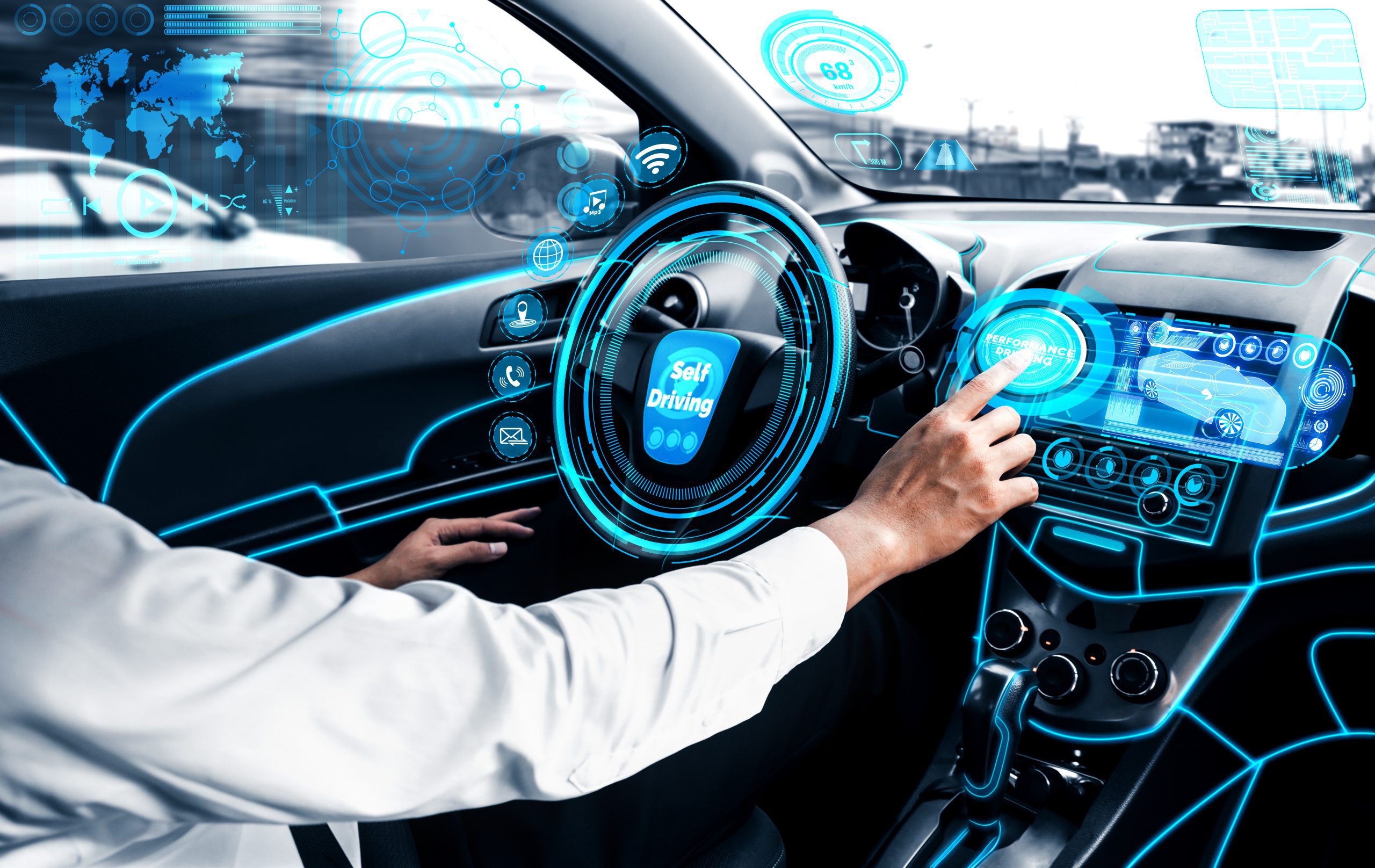
Self-driving autonomous car with relaxed young man sitting at driver seat is driving on busy highway road in the city. Concept of machine learning, artificial intelligence and augmented reality.

JPMorgan Chase has decided to shut down its VW Pay division, formally known as the J.P. Morgan Mobility Payments Solution. The Luxembourg-based unit struggled to achieve profitability in the once-promising field of automotive payments, which enables customers to make digital payments for fuel, parking, and other internet-connected services.

JPMorgan will continue providing mobility services to its existing customers, but the operation will be folded into other divisions. The business was founded by Volkswagen in 2017 and acquired by JPMorgan four years later.

Customers Hard to Find

At the time, JPMorgan saw an opportunity in in-car payments and expected the segment to take off. But the market never fully developed—largely because additional automakers and parts manufacturers, beyond VW, would have needed to integrate closely with Mobile Payments Solutions.

“When Volkswagen started this division to explore in-car payments, JPMorgan jumped in and bought it as a strategic investment they wanted to scale,” said Don Apgar, Director of Merchant Payments at Javelin Strategy & Research. “The idea is that cars could be equipped with payment transponders and could automatically make purchases at gas pumps, charging stations, and drive-thrus. The tech was there, but making it usable required a ton of integration work with the providers who the car companies would buy from. So you have a long strategic cycle, but what killed it was the revenue model, or more specifically the lack of one.” 

Losses Pile Up

Volkswagen Group and its associated brands remained the primary customers, though it onboarded eight merchant clients last year. Despite that progress, the unit posted a €28.8 million loss in 2024.

“JPMorgan invested heavily in the development and integration, but how do they make money on it?” Apgar said. “Automakers could charge for the hardware as part of an option package. But in terms of ongoing revenue, initial thoughts were that consumers may pay a fee for the convenience of embedding payments within their car.”

Another setback was the pandemic, which accelerated the adoption of contactless payment options, reducing the need for in-car payment solutions.

“I go back to the old adage,” Apgar said. “Not everything that can be built should be built.”

0
SHARES
0
VIEWS
Share on LinkedIn
Tags: AutoCar PaymentsContactlessIn-car PaymentsJPMorganVolkswagen

    Get the Latest News and Insights Delivered Daily

    Subscribe to the PaymentsJournal Newsletter for exclusive insight and data from Javelin Strategy & Research analysts and industry professionals.

    Must Reads

    identity theft protection services

    The Missing Piece in Banks’ Identity Protection Strategy

    July 24, 2026
    African cross-border payments

    Africa’s Payment Problem Isn’t What You Think It Is

    July 23, 2026
    remittance platform

    The Case for Not Building Your Own Remittance Stack

    July 22, 2026
    instant payments fraud, business payments

    When Faster Isn’t Better: The New Rules of Business Payments

    July 21, 2026
    Gen Z banking

    For Gen Z, Banking Loyalty Begins with Payments

    July 20, 2026
    syria visa mastercard

    Visa’s Stablecoin Platform Marks the Next Phase of Digital Payments

    July 17, 2026
    cross-border payments

    Beyond Pix: The Cross-Border Layer Latin America Is Building Next

    July 16, 2026
    digital euro

    Can the Digital Euro Be the Difference Maker the EU Needs?

    July 15, 2026

    Linkedin-in X-twitter
    • Commercial
    • Credit
    • Debit
    • Digital Assets & Crypto
    • Digital Banking
    • Commercial
    • Credit
    • Debit
    • Digital Assets & Crypto
    • Digital Banking
    • Emerging Payments
    • Fraud & Security
    • Merchant
    • Prepaid
    • Emerging Payments
    • Fraud & Security
    • Merchant
    • Prepaid
    • About Us
    • Advertise With Us
    • Sign Up for Our Newsletter
    • About Us
    • Advertise With Us
    • Sign Up for Our Newsletter

    ©2026 PaymentsJournal.com |  Terms of Use | Privacy Policy

    • Commercial Payments
    • Credit
    • Debit
    • Digital Assets & Crypto
    • Emerging Payments
    • Fraud & Security
    • Merchant
    • Prepaid
    No Result
    View All Result