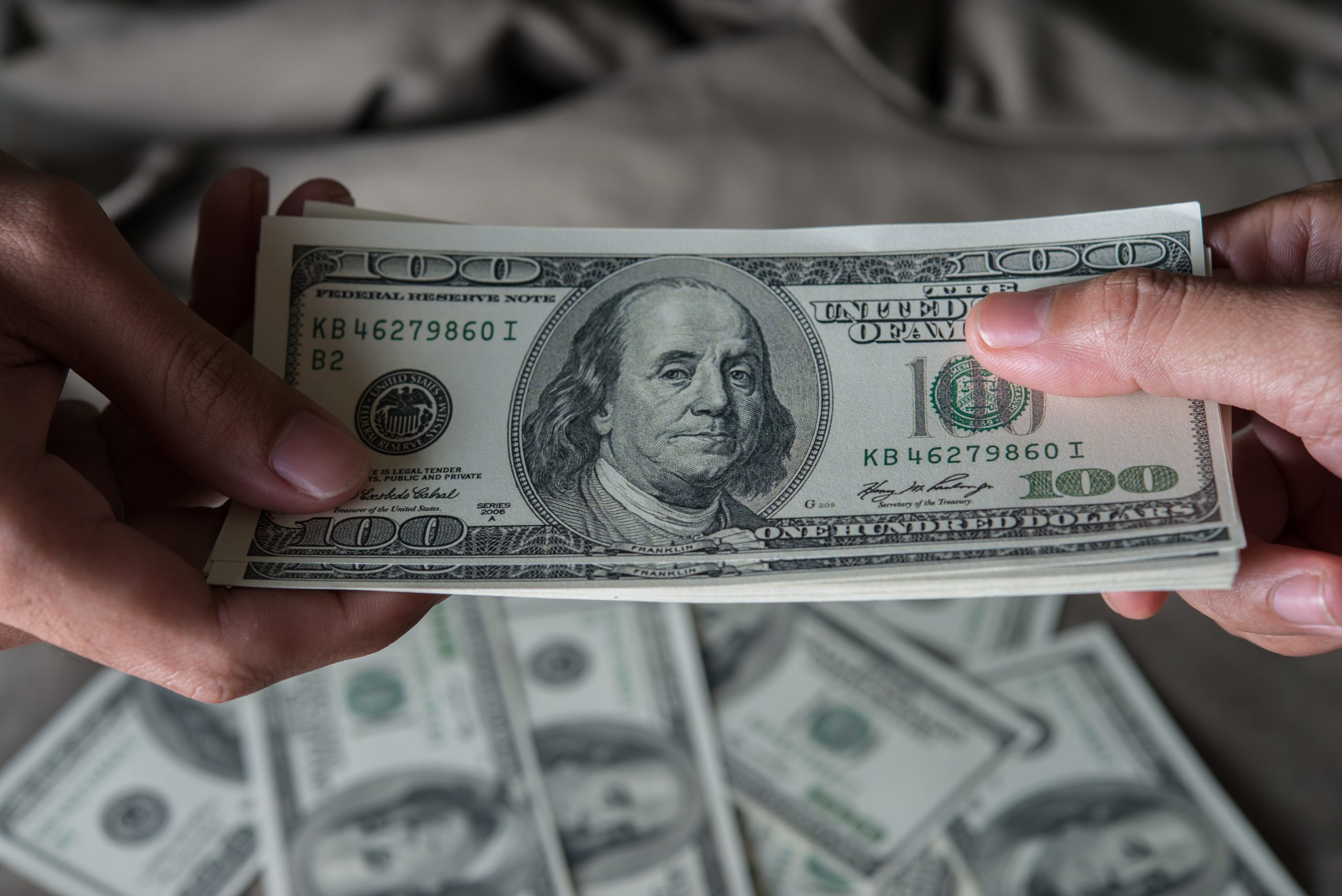
Two U.S. Senators have introduced the Payment Choice Act, the latest attempt to ensure that consumers can use cash at physical retail stores. While several states and cities have passed similar laws, previous efforts to enact cash acceptance legislation at the federal level have stalled.
Under the proposal, businesses that accept in-person payments at a physical location would be required to accept cash for transactions up to $500. Additionally, retailers would be prohibited from charging cash-paying customers a higher price.
The bill’s sponsors, Senators Kevin Cramer (R-N.D.) and John Fetterman (D-Pa.), noted that approximately 4.5% of U.S. households lack access to banking services, making cash transactions necessary for these individuals. The Senators also argued that the dollar is the nation’s legal tender and that any business operating in the U.S. should be willing to accept it.
“Forcing the use of credit and debit cards or imposing premium prices on goods and services paid for with cash limits consumer choice,” Cramer said in a statement. “Americans should have the option of using cards or cash, but they should be the ones who make that choice.”
Consequences for Retailers
Cramer introduced an earlier version of the Payment Choice Act in 2023, but it failed to gain traction. Industry experts warn that eliminating cash could have serious consequences for small merchants, who have consistently opposed such measures.
“Merchants complain about the cost of accepting card payments, but the merchant also gets a lot of benefits from card payments, including not having to handle and control cash, reduced risk of armed robbery and theft by the staff, no night drops to make at the bank, etc.,” said Don Apgar, Director of Merchant Payments at Javelin Strategy & Research. “The full benefit of these savings are realized when the merchant eliminates cash and the all the associated supporting functions.
“If the merchant still accepts cash, even in small amounts, the big savings from not needing any cash functions are greatly diluted,” he said. “This is what is driving many merchants to add surcharges to credit card purchases, because as a business they can’t eliminate the cost of cash and yet still have to pay fees for card purchases.”
Similar State Measures
The idea gained popularity during the COVID-19 pandemic, when public health measures and scattered coin shortages made it more difficult for some consumers to make cash purchases. Colorado and Washington, D.C., passed cash-acceptance laws, following earlier measures from New Jersey and New York City.
However, similar proposals in states like Idaho, Mississippi, and North Dakota did not pass. Many Republicans sided with business groups arguing on behalf of retailers, saying they should be free to choose how to serve their customers.
Even in states that have enacted such legislation, enforcement has proved difficult. When Colorado Governor Jared Polis signed the state’s bill into law in 2021, he warned that the measure would be largely unenforceable. An investigative reporter in Denver later failed to find any instances of Colorado businesses being fined for violating the law.
In New York City, a high-end chain of ice cream shops openly ignored the city’s cash requirement—going so far as to post signs stating that credit cards were the only accepted form of payment. Their bold defiance eventually put them on the city’s radar, and they ultimately agreed to accept cash after paying a fine.
These laws also include exceptions for transactions that are typically conducted by card. In Colorado, hotel and car rental security deposits are exempt from the cash requirement. Detroit carved out an exception for sporting venues like Comerica Park and Little Caesars Arena, both of which provide machines that convert cash into prepaid cards that can be used within the venues.
The current version of the Payment Choice Act contains similar exceptions, allowing retailers to offer cash-to-card conversion as long as no fee is charged. Retailers also aren’t required to accept bills of $50 or larger.
Pushed by the ATM Lobby
The movement to require businesses to accept cash has been fueled in part by Cash Matters, a nonprofit supported by the ATM industry. Founded in 2017, Cash Matters advocates for the continued use and relevance of cash as an essential part of the payment landscape. According to the group, cash is used in 12% of all point-of-sale transactions in the U.S.
“The big push on this type of legislation comes from ATM operators who profit from the convenience fee that we pay to withdraw cash at a non-bank ATM,” said Apgar. “As cash usage continues to decline and is replaced by digital wallets, these guys are trying to stay relevant and keep cash alive as a payment option.”