PaymentsJournal
No Result
View All Result
SIGN UP
  • Commercial
  • Credit
  • Debit
  • Digital Assets & Crypto
  • Digital Banking
  • Emerging Payments
  • Fraud & Security
  • Merchant
  • Prepaid
PaymentsJournal
  • Commercial
  • Credit
  • Debit
  • Digital Assets & Crypto
  • Digital Banking
  • Emerging Payments
  • Fraud & Security
  • Merchant
  • Prepaid
No Result
View All Result
PaymentsJournal
No Result
View All Result

More Consumers in Greece Are Going Cashless

By Josh Einis
April 10, 2023
in Analysts Coverage, Digital Payments, Emerging Payments
0
0
SHARES
0
VIEWS
Share on FacebookShare on TwitterShare on LinkedIn
National Bank of Greece Partners with EVO on Merchant Acquiring

National Bank of Greece Partners with EVO on Merchant Acquiring

One major trend that came out of the pandemic was the shift from paying with cash to paying either with a credit or debit card—or in a contactless manner altogether.

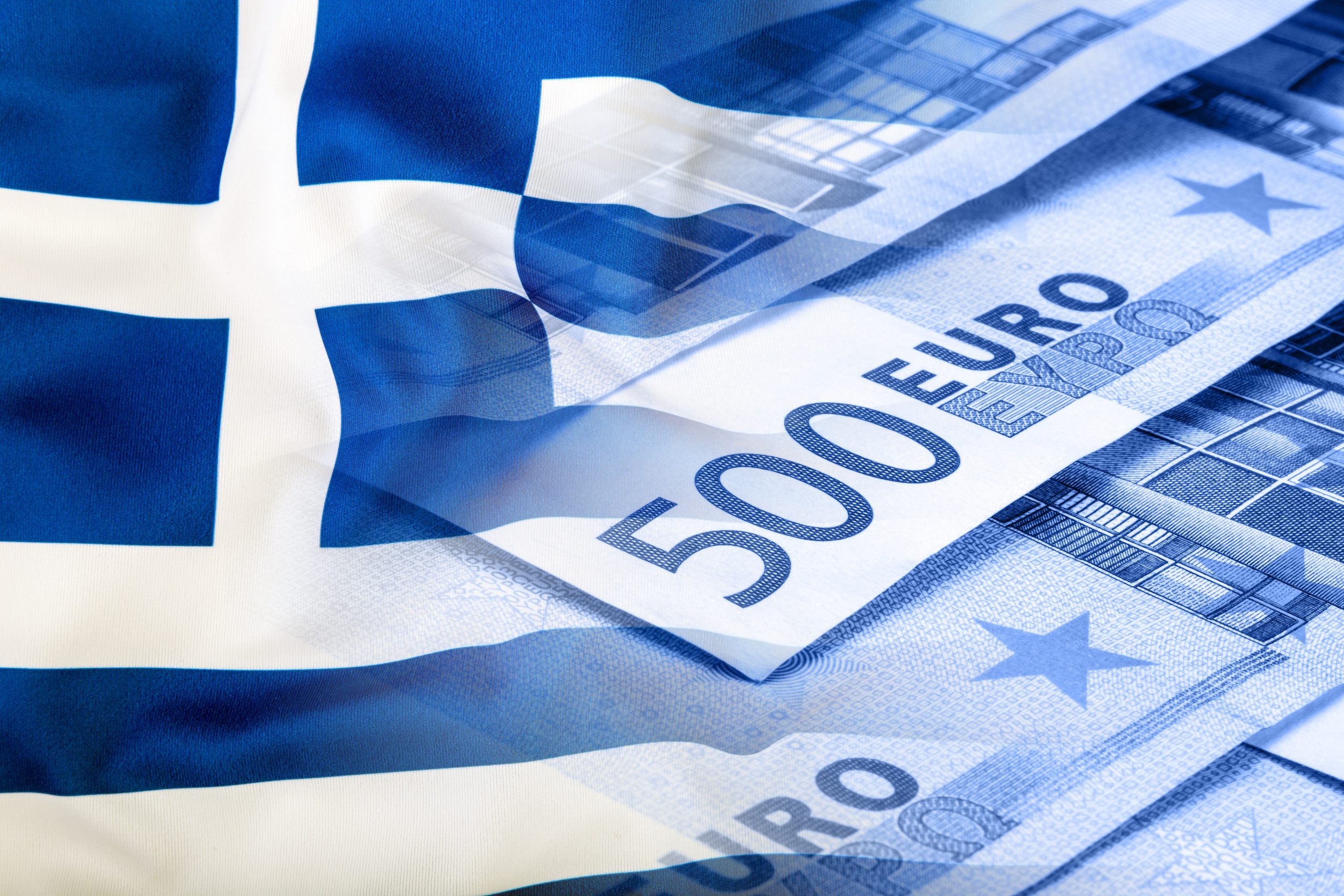
This change has impacted consumer behavior worldwide—even among regions where cash is still very much prevalent. In fact, Greece has seen a shift towards credit and debit payments over the past few years, and a recent survey found that consumers are continuing to lean on cashless forms of payment.

According to the survey, “the average value of transactions fell from more than 100 euros ($109.47) in 2009 to under 30 euros ($32.84) in 2022 as many countries edge closer to a cashless society.”

A Continued Shift to Cashless
One of the primary reasons why business in Greece has been typically conducted via cash is so businesses are able to avoid taxes. Unlike electronic transactions, cash exchanges leave no paper trail, making it difficult for the authorities to trace the transaction or prove that it occurred.

But, during the pandemic lockdowns—when many weren’t able to get access to cash and were wary of using it for sanitary reasons—a natural shift to electronic payments occurred. And that convenience and increasing reliance on tech is continuing to happen—even in a post-pandemic environment.  

The shift in Greece is similar to what’s currently taking place in Japan—which has also been a long bastion of cash. And a lot will need to happen before both consumers and businesses become fully comfortable paying, and accepting money, in a cashless manner.

For one, full trust in the government and financial system will be imperative.

Greece is widely known as a low-trust country, in which citizens do not trust the government. As a result, tax evasion is rampant. For many Greeks, avoiding taxes has been seen as a way to cope with a difficult economic situation and to get by in a country where taxes are perceived as high and the government is seen as inefficient and corrupt.

One way to improve governmental trust in Greece and move away from cash could be a move to a decentralized currency system based on blockchain technology. Blockchain could help reduce corruption in Greece is by providing a transparent and tamper-proof ledger of government transactions. By using blockchain, the Greek government could create a public record of all its transactions, including tax revenues, expenditures, and other financial activities. This would make it much more difficult for corrupt officials to siphon off funds or engage in other illicit activities, as their actions would be easily detectable and traceable. This in turn could help citizens trust the government more and make them less likely to avoid taxes.


0
SHARES
0
VIEWS
Share on FacebookShare on TwitterShare on LinkedIn
Tags: CashlessCreditDebitDigital Payments

    Get the Latest News and Insights Delivered Daily

    Subscribe to the PaymentsJournal Newsletter for exclusive insight and data from Javelin Strategy & Research analysts and industry professionals.

    Must Reads

    cross-border tokenized deposits

    Ant International and HSBC Pilot Cross-Border Tokenized Deposit Transfers on Swift

    December 12, 2025
    Fiserv stablecoin

    Three Small Business Trends That Banks Can Hop On in 2026

    December 11, 2025
    echeck

    Beyond Paper: Why More Businesses Are Turning to eChecks

    December 10, 2025
    metal cards

    Leveraging Metal Cards to Attract High-Value Customers

    December 9, 2025
    fraud as a service

    Keeping Up with the Most Dangerous Fraud Trends of 2026

    December 8, 2025
    open banking

    Open Banking Has Begun to Intrude on Banks’ Customer Relationships

    December 5, 2025
    conversational payments

    Conversational Payments: The Next Big Shift in Financial Services  

    December 4, 2025
    embedded finance

    Inside the Embedded Finance Shift Transforming SMB Software

    December 3, 2025

    Linkedin-in X-twitter
    • Commercial
    • Credit
    • Debit
    • Digital Assets & Crypto
    • Digital Banking
    • Commercial
    • Credit
    • Debit
    • Digital Assets & Crypto
    • Digital Banking
    • Emerging Payments
    • Fraud & Security
    • Merchant
    • Prepaid
    • Emerging Payments
    • Fraud & Security
    • Merchant
    • Prepaid
    • About Us
    • Advertise With Us
    • Sign Up for Our Newsletter
    • About Us
    • Advertise With Us
    • Sign Up for Our Newsletter

    ©2024 PaymentsJournal.com |  Terms of Use | Privacy Policy

    • Commercial Payments
    • Credit
    • Debit
    • Digital Assets & Crypto
    • Emerging Payments
    • Fraud & Security
    • Merchant
    • Prepaid
    No Result
    View All Result