Online fraud has skyrocketed over the past few years, with the Federal Trade Commission (FTC) receiving 2.2 million fraud reports from consumers in 2020 alone. As a result, retail organizations have reacted by adding friction to eCommerce interactions.
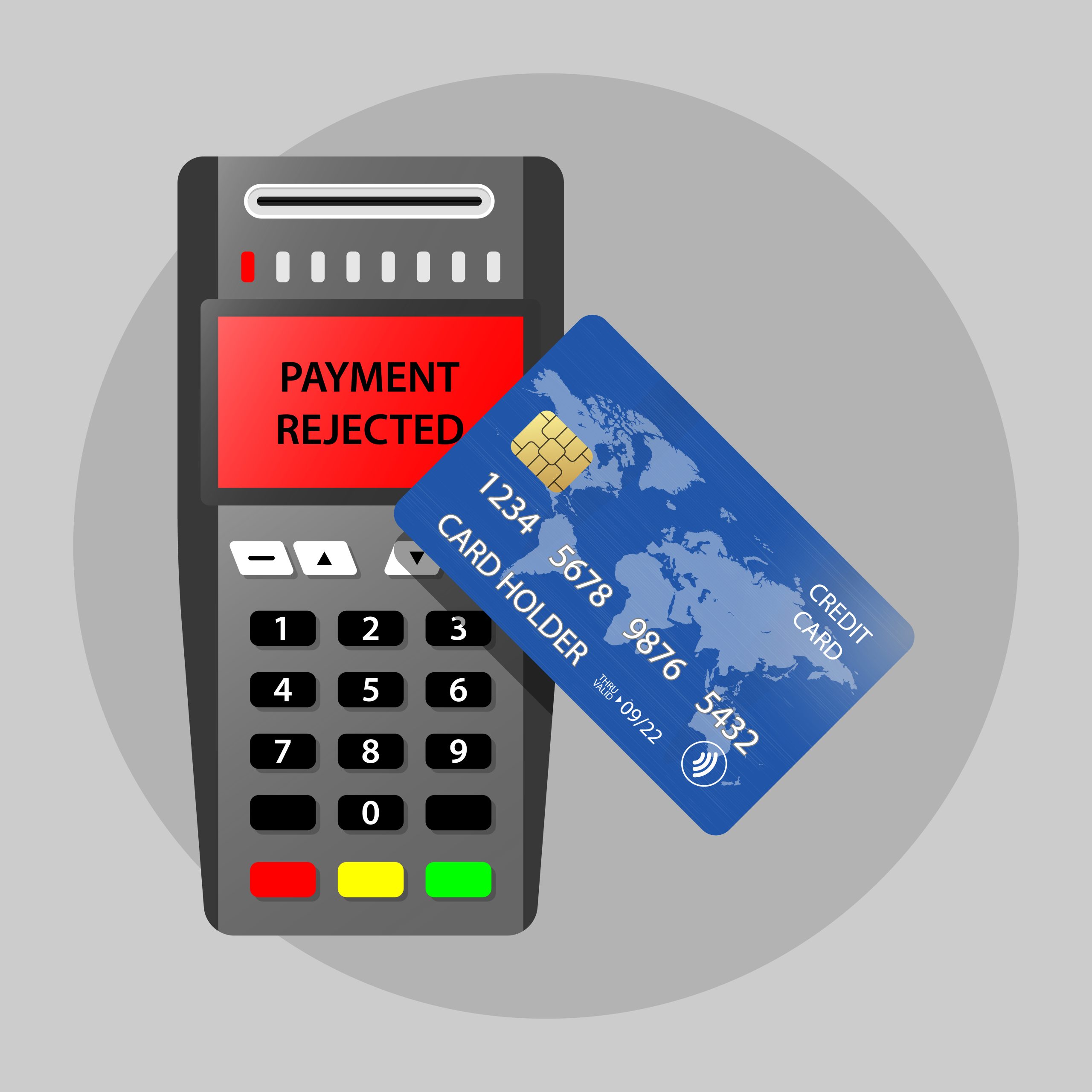
The risk is that a legitimate user may be denied a purchase because they have incorrectly been labeled a fraudster—a “false decline”. These situations cause retailers to miss out on genuine purchases and good customers in the process. Digital Commerce 360 has estimated that (depending on the industry) 30% to 65% of all declined transactions are in fact legitimate. Globally, this represents more than $640 billion in lost revenue and for retailers, the loss of new customers and their associated lifetime value.
Let’s shine a light on some of the facts surrounding false declines:
Newer or high-ticket shoppers are more likely to experience a false decline.
Brick-and-mortar locations forced to shut their doors temporarily to comply with COVID-19 restrictions caused an immense uptick in online shoppers. Over the course of the pandemic, in fact, the volume of new online shoppers was 2x greater than pre-COVID-19 levels.
Unfortunately, new online shoppers are 5-7x more likely to be declined than returning customers by many of today’s established fraud tools. The reasoning? Online merchants have less access to data that has historically been used to evaluate customers concerning these newer shoppers, which makes it tougher for legacy fraud systems to accurately approve or decline their transactions.
The same reasoning applies for high-ticket purchases. Anti-fraud protection often includes a “high-ticket” purchase filter that can cause an uptick in false declines in this situation.
Consumers who experience a false decline will often take their business somewhere else.
False declines are understandably frustrating for customers. Before they added an item to their cart, they’ve likely spent a considerable amount of time researching and evaluating options. If they are turned away at check-out, they are more likely to go with their other options at another shop.
In fact, 40% of those declined on their first visit won’t try again on the merchant’s site. Even worse, one-third of customers end up seeking the competition when they experience a false decline. It is in retailer’s best interest to welcome new customers on their first try by keeping false declines to a minimum.
Addressing fraud and false declines should not come at the other’s expense.
In a recent study from 451 Research, 87% of respondents expressed some agreement with the statement: “Our approach to fraud prevention makes it challenging to provide a smooth customer experience.” It’s increasingly challenging to make eCommerce better for genuine customers and a bear for fraudsters.
In order to do both, organizations should be using a fraud prevention tool that provides access to knowledge and insights gained from a wider set of data across enterprises, banks, payment providers, geographical locations, and industries to gain a more accurate view of legitimate consumer behaviors and interactions from the very first time a new customer has an interaction with a retailer. With this knowledge, retailers can have a higher approval rating without worrying about fraud.
Rather than requiring the shopper to provide more information, which could add irritation to the buying journey, this robust network provides the ability to make instant and accurate decisions. In addition to more robust knowledge, retailers should be looking for a fraud prevention solution that utilizes automation and real-time decision making. After all, speed is part of a superior customer experience and automation enables seamless scale.
Online shopping is the way of the future for retailers. Rather than focus on fraud, leaders are adopting a growth mindset and shifting their emphasis to reducing false declines. By doing so, retailers can keep themselves protected and ultimately nurture better, longer-lasting relationships with customers overall.