PaymentsJournal
No Result
View All Result
SIGN UP
  • Commercial
  • Credit
  • Debit
  • Digital Assets & Crypto
  • Digital Banking
  • Emerging Payments
  • Fraud & Security
  • Merchant
  • Prepaid
PaymentsJournal
  • Commercial
  • Credit
  • Debit
  • Digital Assets & Crypto
  • Digital Banking
  • Emerging Payments
  • Fraud & Security
  • Merchant
  • Prepaid
No Result
View All Result
PaymentsJournal
No Result
View All Result

Privacy Concerns Over Apple’s Location Tracking Files

By Mercator Advisory Group
April 22, 2011
in Analysts Coverage
0
0
SHARES
0
VIEWS
Share on FacebookShare on TwitterShare on LinkedIn
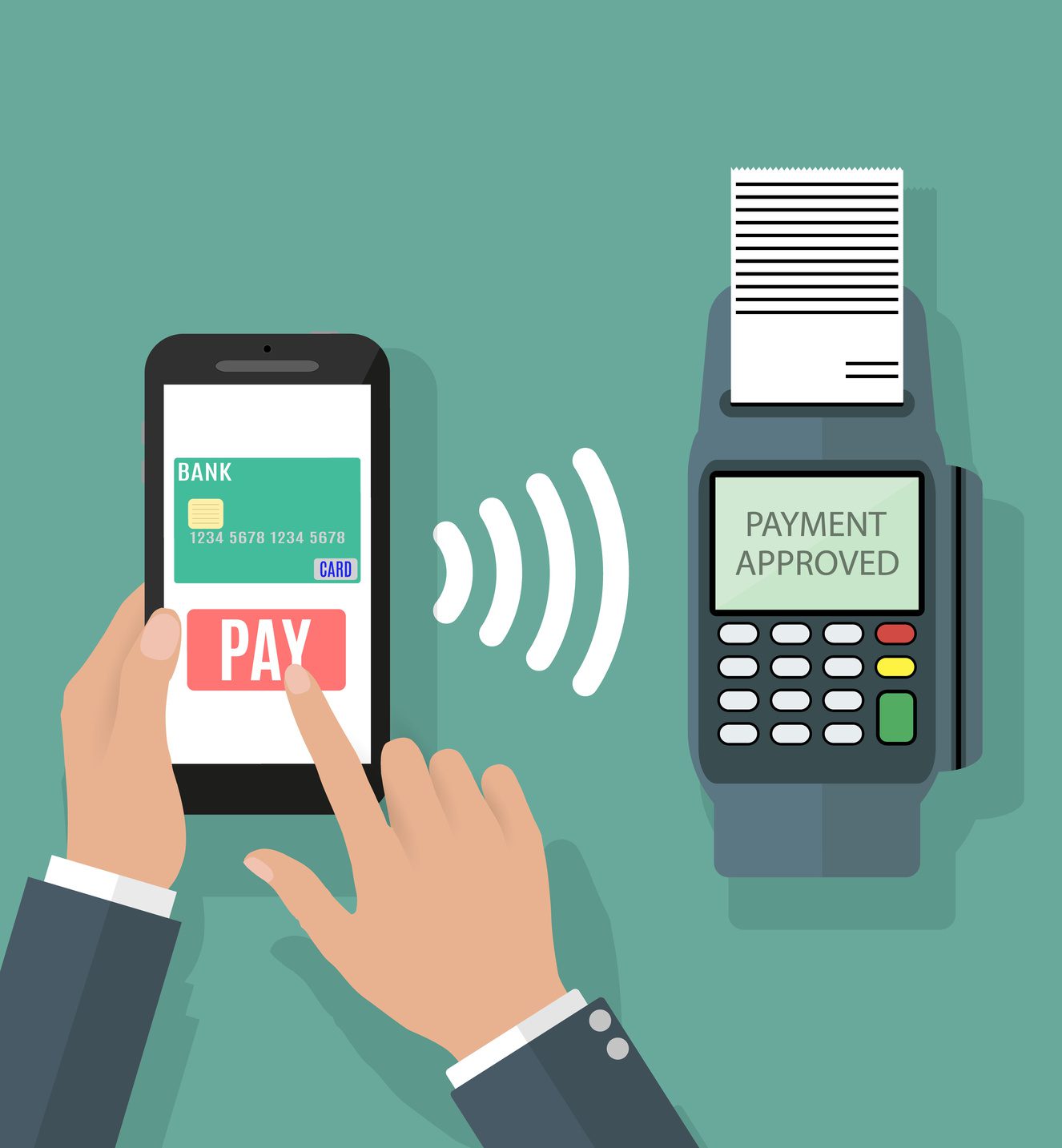
Pos terminal confirms the payment by smartphone. Vector illustration in flat design on green background. nfc payments concept

Pos terminal confirms the payment by smartphone. Vector illustration in flat design on green background. nfc payments concept

The gradually building concern about online invasions of individual privacy rights took a surprising (and perhaps more alarming) turn this week,

with the disclosure that Apple iPhones and iPads running iOS4 have been automatically recording the physical location of the phone, which is to say, tracking the location of the phone’s user.

The data file comprising up to hundreds of daily data points is stored in a file on the phone itself, and if a user “syncs” the phone to a PC (whether Apple or Windows) the file is automatically replicated, unencrypted, to that PC, whether at home or in the office.

All of this occurs, of course, without the explicit understanding or permission of the owner of the phone.

According to PCWorld’s Ian Paul, today:

“Apple’s privacy headaches started after two researchers released an open source application called iPhone Tracker that reads your iOS device’s location history from an unencrypted backup file on your PC. The app then plots this information on a map and allows you to play back your location history complete with time and date stamps.”

Ian Paul goes on to outline five good questions about this practice being asked by regulators and privacy professionals, including: why is the data being collected, exactly what data is being collected, and to what extent has this data already been used by law enforcement authorities.

While such tracking may not yet be explicitly illegal in the United States, it may in fact be a violation of some stricter European privacy regulations.

To date, Apple has not answered publicly.

Mercator Advisoy Group believes if you personally, or your firm, or your employees, uses these devices, you should start monitoring this discussion.

The referenced articles from the New York Times and PC World are a good starting point.

Read related articles:

http://www.pcworld.com/article/225761/iphone_secretly_tracks_user_location_say_researchers.html#tk.mod_rel


http://www.nytimes.com/2011/04/22/technology/22data.html


http://www.pcworld.com/article/226005/apples_ios_locationtracking_headaches_5_questions.html

0
SHARES
0
VIEWS
Share on FacebookShare on TwitterShare on LinkedIn

    Get the Latest News and Insights Delivered Daily

    Subscribe to the PaymentsJournal Newsletter for exclusive insight and data from Javelin Strategy & Research analysts and industry professionals.

    Must Reads

    innovation

    Companies No Longer Dabble in Innovation, They Prioritize It

    May 22, 2026
    klarna debit card

    Why Too Many Banks Are Losing Out on Merchant Services

    May 21, 2026
    embedded payments

    Embedded Payments Are Becoming Core to Vertical SaaS

    May 20, 2026
    palm scan

    Identity Fraud and the Erosion of Trust in the Age of AI

    May 19, 2026
    metamask debit card

    After Kraken’s “Skinny” Fed Account, What’s Next for Crypto?

    May 18, 2026
    agentic payment

    PhotonPay Completes its First Live Agentic Payment Together with Mastercard

    May 15, 2026
    banking

    Inside Banking’s $10 Billion Inflection Point

    May 14, 2026
    fraud disputes

    The Hidden Cost of Fraud Disputes Is Hitting Banks Hard

    May 13, 2026

    Linkedin-in X-twitter
    • Commercial
    • Credit
    • Debit
    • Digital Assets & Crypto
    • Digital Banking
    • Commercial
    • Credit
    • Debit
    • Digital Assets & Crypto
    • Digital Banking
    • Emerging Payments
    • Fraud & Security
    • Merchant
    • Prepaid
    • Emerging Payments
    • Fraud & Security
    • Merchant
    • Prepaid
    • About Us
    • Advertise With Us
    • Sign Up for Our Newsletter
    • About Us
    • Advertise With Us
    • Sign Up for Our Newsletter

    ©2026 PaymentsJournal.com |  Terms of Use | Privacy Policy

    • Commercial Payments
    • Credit
    • Debit
    • Digital Assets & Crypto
    • Emerging Payments
    • Fraud & Security
    • Merchant
    • Prepaid
    No Result
    View All Result