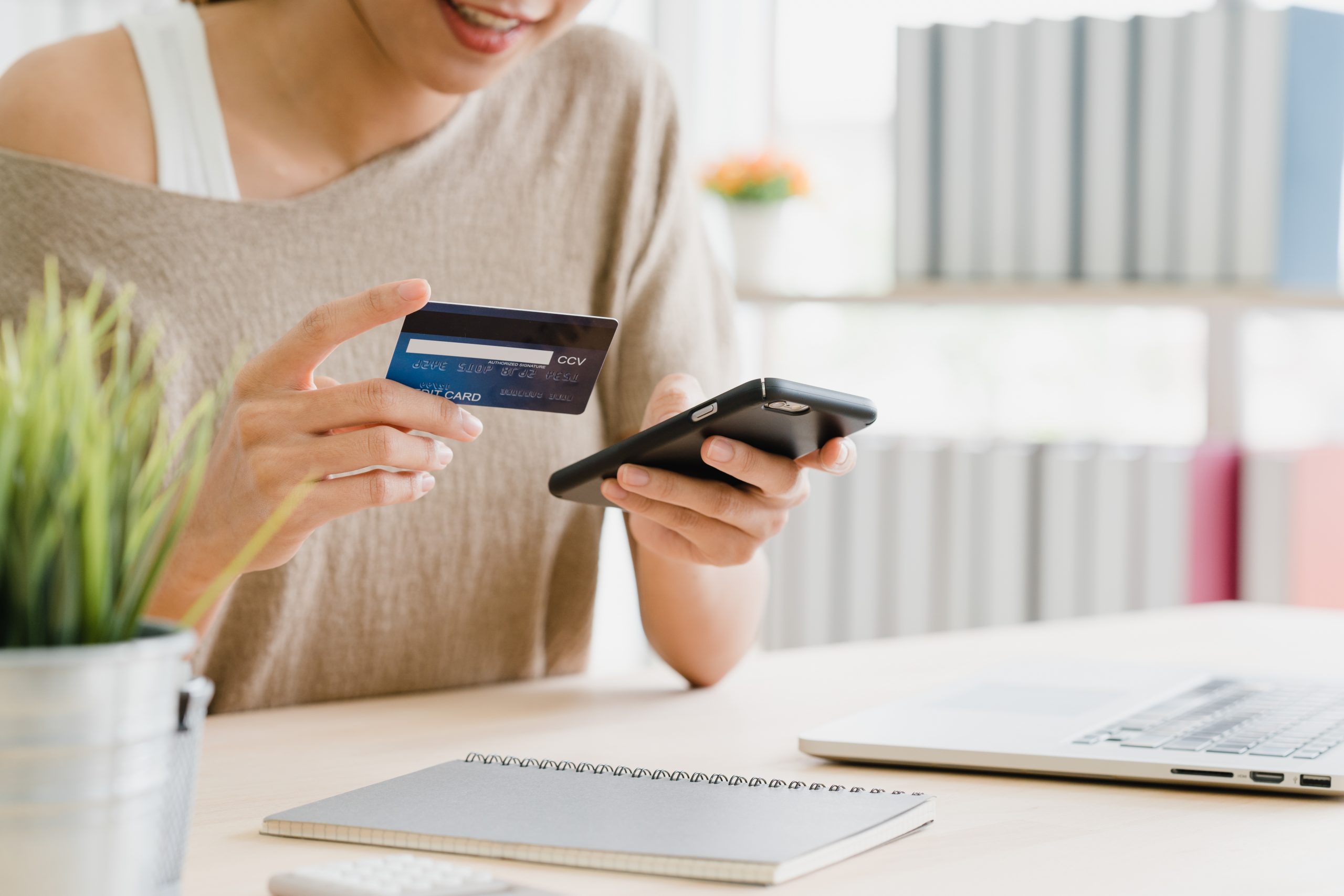
Nearly 25 percent of Americans shop online at least once per month, according to a 2018 Marist Poll. Online shopping is quickly becoming the preferred way for many Americans to do their shopping; it is easy, convenient, and full of variety. If your business has yet to offer online purchases, now is the best time to start an online store to take your sales to the next level. However, while there’s a lot to gain from starting an online shop, there is also a lot of risks involved, especially if you are accepting online payments. You need to look out for various online hazards to prevent any incidents that could cost you time and your hard-earned money. Luckily, there are many steps you can take to protect yourself when receiving payments online.
Verify all your online payments transactions
First and foremost, it’s important that your business ensures you are paid in full before dispatching goods or performing a service. There are several ways you can verify transactions. For starters, you can ensure that every customer provides an address verification match, especially for transactions originating in high-risk countries like Middle-Eastern, Asian, or African countries. You can also require customers to provide their credit card security number to verify their identity and minimize the risk of fraud. Remember to keep an eye on smaller details like unusual customer behavior, strange email addresses, or customers not taking advantage of deals like free shipping or discounts.
Secure your IT environment
Cyber attacks in the form of harmful viruses and spyware can paralyze your business operations. You need to put in place a strong security system that offers adequate protection and has enough authorization policies to protect your business against cyber-attacks and secure your customers’ sensitive information. A data breach that leads to the loss of sensitive client information, such as their credit card number, is viewed as the business’ fault. Just one breach can not only lead to massive financial losses for you, but also lost confidence in your brand from customers. Once you install your security system, keep testing and analyzing it regularly to ensure that everything is always working seamlessly to protect your online transactions.
Choose a reliable e-commerce platform
Not all e-commerce platforms take security as seriously as others. As such, you need to choose a trusted and reputable e-commerce platform with great customer reviews and transparency about the types of security measures they have put in place to protect your payments. Do some research on websites like Consumer Affairs or The Better Business Bureau before choosing a reliable e-commerce platform.
While selling online has opened doors for businesses around the world, it has also opened doors to fraud. It is vital to understand the risks involved in accepting online payments and the security measures needed to keep your business safe.