The clock is ticking for fuel and convenience retailers. April 2021 creeps closer every day.
This phrasing might sound apocalyptic. The situation is not quite that dire — but it’s still serious. That date is the deadline for the EMV liability shift, after which full liability shifts to owners and operators in the case of fraudulent transactions and counterfeit chargebacks, if they have not upgraded their automated fuel dispensers (AFD) for EMV acceptance.
But it’s not April 2021 yet. Savvy retailers can use the remaining time to upgrade AFDs as well as implement new technologies — giving them the potential to increase revenue by meeting new customer needs, and thus offset some of the initial upgrade costs. Here are two options.
Contactless Payments
US consumer interest in contactless payments has waxed and waned since contactless was introduced here in the early 2000s, but the tide has turned in recent months, largely due to the coronavirus pandemic: Mastercard found that more than half (51%) of Americans are now using some form of contactless payment.
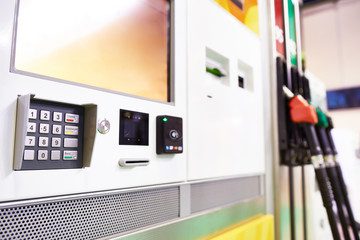
This makes the current moment an ideal time for retailers to add contactless payment options at AFDs as they upgrade their pumps. To enable AFDs for contactless payments requires upgrading to a chip reader. In other words, by ensuring the safer, more hygienic transaction experiences that consumers now desire, retailers likewise benefit by gaining the EMV compatibility they need on their end.
Curbside Pickup Via Smart AFD Displays
Another new consumer expectation that has come out of the pandemic is the desire for curbside pickup and all-in-one ordering experiences. For example, some fuel and convenience retailers now function as places customers can buy gasoline while also ordering groceries, alcohol, and even products like paper towels and toilet paper, all in the same transaction.
Retailers can capitalize on this trend by adding smart interfaces to pumps that promote add-ons to gas purchases. A consumer purchasing gas can view deals and ads on a digital display — e.g., purchase 10 gallons of gas and get a large coffee and donut for another $2 — and add the deal to their gas purchase using buttons on the digital display.
For convenience retailers with kitchens inside, customers can use the displays to purchase sandwiches or other food items, and even customize their order (sandwich toppings, coffee flavors, etc.). Some retailers may be able to offer curbside delivery of these items, while others can simply allow customers to order outside and pick up inside, which still saves a customer time.
These are just examples of how operators can “piggyback” on technology upgrade projects that are required to support EMV payments at the forecourt to enrich the consumer experience and drive increased sales. While the profit margins for a gas purchase are relatively low, the margins for store/convenience items are much higher, so these incremental investments present opportunities for retailers to transition a liability cost avoidance project into a technology investment that can also enable new revenue streams.
Get Creative with the Remaining Time
Upgrading AFD equipment to be EMV compliant is not inexpensive, but it’s necessary to avoid issues like greater risk of fraud and higher costs due to increased liability. While the deadline is still a few months away, upgrading sooner is more cost-effective. Conexxus found that installation costs (e.g., labor) tend to increase leading up to an industry-wide change due to high demand.
As retailers work toward the upgrade, they can ensure their investment in new equipment gets them the best AFD technology out there. By meeting consumer demand by implementing contactless payments and enabling commerce at the forecourt, a retailer can significantly enrich the technology investments required to achieve EMV compatibility — a win-win situation.
Both of these technology options will require a network solution that ensures that payment transactions — both at the forecourt and indoor point-of-sale systems — are secure and protected against fraud. Look for a certified Managed Network Service Provider (MNSP) network solution that can support the hardware being installed at the forecourt while providing the highest levels of payment security, always-on connectivity, and 24/7/365 monitoring and support.