PaymentsJournal
No Result
View All Result
SIGN UP
  • Commercial
  • Credit
  • Debit
  • Digital Assets & Crypto
  • Digital Banking
  • Emerging Payments
  • Fraud & Security
  • Merchant
  • Prepaid
PaymentsJournal
  • Commercial
  • Credit
  • Debit
  • Digital Assets & Crypto
  • Digital Banking
  • Emerging Payments
  • Fraud & Security
  • Merchant
  • Prepaid
No Result
View All Result
PaymentsJournal
No Result
View All Result

Secure Tokenization: How and Why

By Don Apgar
January 5, 2022
in Analysts Coverage, Fraud & Security, Tokenization
0
0
SHARES
0
VIEWS
Share on FacebookShare on TwitterShare on LinkedIn
mobile payments, UnionPay mobile payments

The Reserve Bank of India (RBI) continues to be proactive in regulating card-based transactions to ensure the consumer confidence in security and utility is protected as the country approaches what experts have described as a digital tipping point. The RBI has issued guidance requiring that all card transactions be tokenized beginning Jan 1 of this year, both for POS transactions and card-on-file (COF) or subscription sales. Tokenization is the process of replacing the user’s card credentials with a substitute number generated by a secure algorithm. The token by itself is valueless, so if a merchant’s system is hacked, the only payment data exposed are tokens, not actual card credentials that can be used by fraudsters or sold on the dark web. 

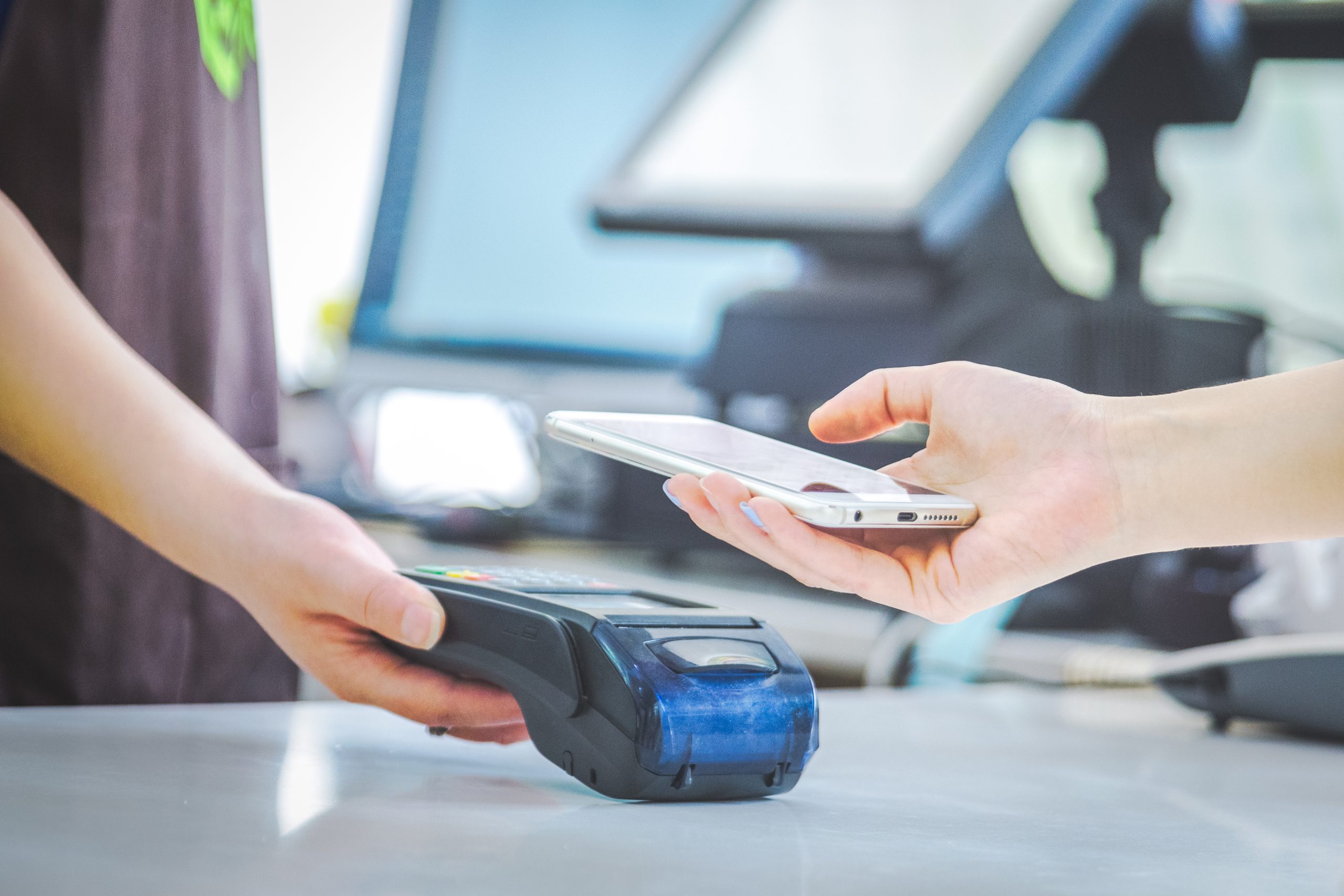
The process of tokenization happens inside what’s called a token vault, where the tokenization algorithm is stored, and the only place where a token can be exchanged for the Primary Account Number (PAN). Both card issuers and merchant processors operate token vaults that address different use cases for card security. In the case of digital wallet transactions like ApplePay or GooglePay, the user’s card credentials are stored in the digital wallet or on the mobile device as a token, which is then is sent to the point-of-sale (POS) terminal via NFC. The merchant processor then routes that transaction to the Apple token vault to exchange the token for the PAN that can then be routed to the card issuer for authorization. NFC-enabled cards work similarly, with those tokens managed by the card issuers directly. In the case of recurring or COF transactions where the user has supplied their PAN credentials to the merchant, the initial transaction is tokenized by the merchant processor and the token returned to the merchant for storage. When the merchant presents the token on subsequent transactions, the processor runs it through their token vault to retrieve the PAN that can be sent to the issuer for authorization.

This rule from the RBI follows guidance issued last year requiring merchants to obtain the user’s approval before every recurring charge is billed. Consumers signing up for a monthly subscription must be contacted every month for their approval to process the current month’s charges.

Overview by Don Apgar, Director, Merchant Services Advisory Practice at Mercator Advisory Group

0
SHARES
0
VIEWS
Share on FacebookShare on TwitterShare on LinkedIn
Tags: CoFMerchantPOSSecure PaymentsSecurityTokenTokenization

    Get the Latest News and Insights Delivered Daily

    Subscribe to the PaymentsJournal Newsletter for exclusive insight and data from Javelin Strategy & Research analysts and industry professionals.

    Must Reads

    open banking

    Open Banking Has Begun to Intrude on Banks’ Customer Relationships

    December 5, 2025
    conversational payments

    Conversational Payments: The Next Big Shift in Financial Services  

    December 4, 2025
    embedded finance

    Inside the Embedded Finance Shift Transforming SMB Software

    December 3, 2025
    metal cards

    Metal Card Magnitude: How a Premium Touch Can Enthrall High-Value Customers

    December 2, 2025
    digital gift cards

    How Nonprofits Can Leverage Digital Gift Cards to Help Those in Need

    December 1, 2025
    stored-value prepaid

    How Stored-Value Accounts Are the Next Iteration of Prepaid Payments

    November 26, 2025
    google crypto wallet, crypto regulation

    Crypto Heads Into 2026 Awaiting Its ‘Rocketship Point’

    November 25, 2025
    Merchants Real-Time Payments, swipe fees, BNPL

    The 3 Key Trends That Will Shape Merchant Payments in 2026

    November 24, 2025

    Linkedin-in X-twitter
    • Commercial
    • Credit
    • Debit
    • Digital Assets & Crypto
    • Digital Banking
    • Commercial
    • Credit
    • Debit
    • Digital Assets & Crypto
    • Digital Banking
    • Emerging Payments
    • Fraud & Security
    • Merchant
    • Prepaid
    • Emerging Payments
    • Fraud & Security
    • Merchant
    • Prepaid
    • About Us
    • Advertise With Us
    • Sign Up for Our Newsletter
    • About Us
    • Advertise With Us
    • Sign Up for Our Newsletter

    ©2024 PaymentsJournal.com |  Terms of Use | Privacy Policy

    • Commercial Payments
    • Credit
    • Debit
    • Digital Assets & Crypto
    • Emerging Payments
    • Fraud & Security
    • Merchant
    • Prepaid
    No Result
    View All Result