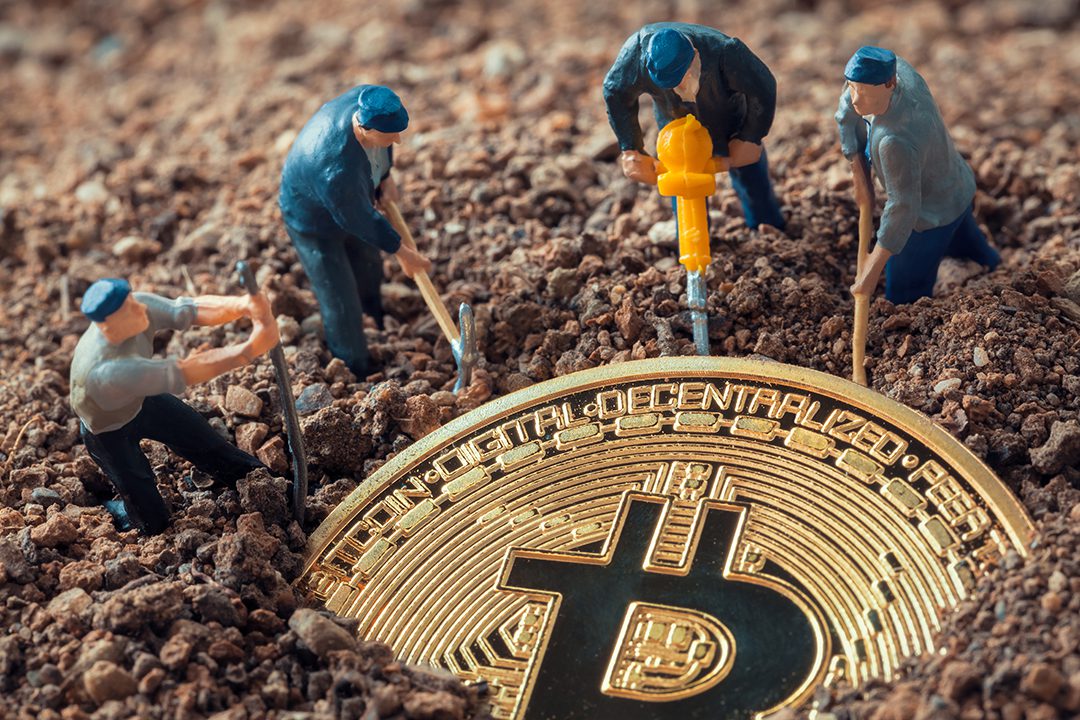
In addition to the presidential election and the Olympic games, you can add the halving of bitcoin as an event we’ve come to expect every four years. This year’s halving, which is triggered after 210,000 new bitcoins have been mined, is expected to occur later in April.
What effect will this have on the cryptocurrency? If the past is any guide, it’s likely to be bullish for bitcoin investors. But there are reasons to think this time could be different.
The recurring halving, designed into the Bitcoin protocol from the beginning, is intended to ensure its scarcity. The idea is to avoid the inflationary effects of fiat currency since governments can print more money whenever they feel the need. The halving is intended to preserve the value of bitcoin over time.
The number of new bitcoin derived by miners is cut in half after each event. The bitcoin protocol is designed to produce a block approximately every 10 minutes. Right now, a miner earns 6.25 bitcoin for each block of bitcoin they create. After the halving, that amount will drop to 3.125 bitcoin.
The Price Has Risen Every Time
Historically, the price of Bitcoin has shown a pattern of increasing in value following a halving event. There have been three of these so far, every four years since bitcoin was introduced on January 3, 2009. According to the blockchain data platform Chainalysis, each of the three prior halvings produced solid increases in Bitcoin’s price over the ensuing months:
- After the 2012 halving, bitcoin jumped from $12 in November 2012 to over $1,000 in November 2013.
- After the 2016 halving, bitcoin jumped from $650 in July 2016 to $19,700 in December 2017.
- After the 2020 halving, bitcoin jumped from $8,000 in May 2020 to $69,000 in April 2021.
A Different Landscape
We may or may not see the same effect this year. For one thing, crypto is a more mature industry, with much more media and analyst coverage, which means the price gains we saw in the past may already be baked into bitcoin’s price.
Bitcoin has already risen by more than 60% since the start of the year, fueled in part by the introduction of 11 bitcoin exchange-traded funds, which made the asset more accessible to the average investor. Fidelity, which markets one of the bitcoin ETFs, has begun suggesting that clients may wish to have 3% to 5% in cryptocurrencies.
There are also other, more technical reasons to think we may not see as large an increase in price this time.
“Miners taking profits to upgrade their hardware has been a recurring cycle with each halving event,” said Joel Hugentobler, Cryptocurrency Analyst for Javelin Strategy & Research. “Generally we see this later in the cycle. But with prices and the market cap hitting all-time highs—which has never happened before in any of the past cycles—this could become a proactive move on their part to stay ahead of the curve and prolong longevity.”
Looking Toward the Future
In addition to the halving, there are other protocols designed to support bitcoin’s price over time. To compensate for the probability that mining will become increasingly efficient, the bitcoin network increases the difficulty of mining after 2,016 blocks have been created, which happens approximately every two weeks. The goal is to ensure that the average time to discover a block remains at right around 10 minutes, no matter how many miners are working on it.
Hugentobler also pointed out that the halving could spark new technological developments that could enhance crypto’s eco-unfriendly reputation. “As hash rate [the total computational power of all existing bitcoin miners] continues to climb and rewards are halved, we’ll see innovation in finding strapped or untapped power sources and reinforce power grid stability,” he said.
“Multiple sources show more than 50% of all global mining is run on renewable energy supply, with a large portion of that being flared natural gas, reducing CO2 emissions. I think that trend will only strengthen from here.”
Halving events are projected to occur through 2140, when bitcoin is expected to reach its total supply limit of 21 million. That figure was set by bitcoin inventor Satoshi Nakamoto when he developed bitcoin back in 2009. At that time, each mined block was worth 50 bitcoin. There are already more than 19 million bitcoins in circulation, which means there are only 2 million left to mine. The next halving is projected to occur sometime in 2028—just in time for the Los Angeles Olympic Games.