A Q&A provided to PaymentsJournal by Greg Waisman, co-founder and COO at the global payment network Mercuryo:
1. El Salvador accepted Bitcoin as legal tender. What will it bring to the country’s payments system?
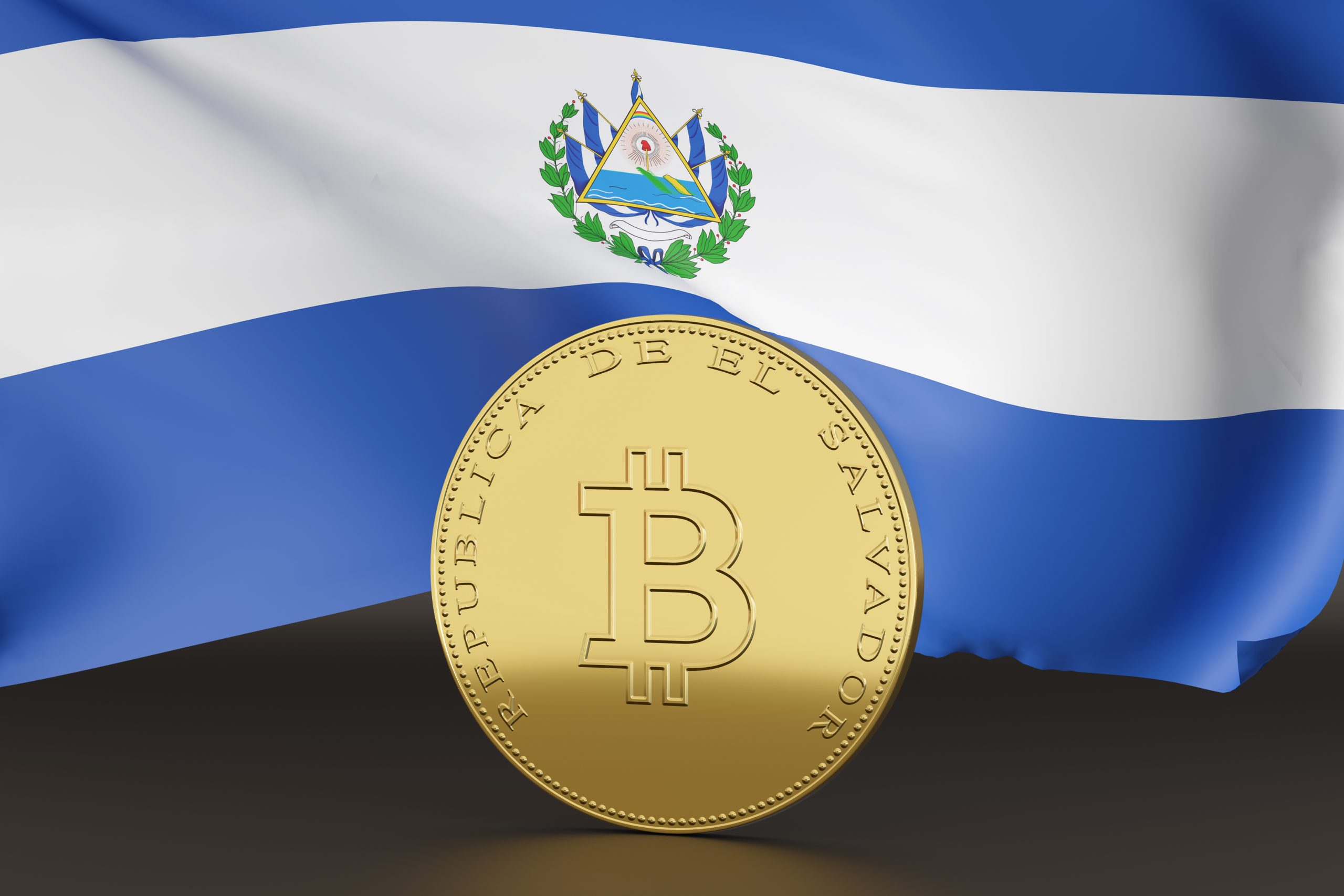
Bitcoin will bring a high level of efficiency in payments bordering particularly on fast settlements. On 9th June 2021, El Salvador became the first country to officially classify the prized crypto asset as legal tender, as the ‘Bitcoin Law’ was approved by 62 of 84 members of the Salvadoran Congress.
On 23rd August, El Salvador’s President, Nayib Bukele, stated that the government was installing 200 Bitcoin ATMs ahead of the proposed rollout on 7th September, now known as ‘Bitcoin Day’.
While El Salvador did announce Bitcoin as legal tender on the proposed date, not everything went according to plan, as the national digital wallet, Chivo, ran into technical issues due to a surge in demand. This is one of the many problems countries may face when adopting cryptocurrencies as legal tender – sturdy infrastructure is necessary.
While businesses are not obliged to accept payment in Bitcoin, El Salvador is banking on Bitcoin’s introduction as legal tender to boost their economy – the market should establish the exchange rate between Bitcoin and the US Dollar, the country’s other legal tender.
For those worrying about potential money laundering, Douglas Rodriguez, head of El Salvador’s central bank, stated that rules have been put into place to meet money laundering standards and met with global approval.
2. Will it be popular among the population of the country? How can the population use Bitcoin in payments?
Bitcoin will be popular among the population of the country. As a form of a promotional offer, the government of El Salvador will offer $30 in free Bitcoin to nationals who sign up for the national digital wallet. The government is also offering citizenship to all foreigners who invest three Bitcoins in the country.
Nayib Bukele also plans on utilizing geothermal energy from the state-run geothermal unit to mine Bitcoins. Businesses are likely to accept Bitcoin to purchase goods, food, travel tickets, etc.
In fact, Starbucks and McDonald’s have already started accepting Bitcoin in the country. The success of such fast-food chains may encourage service providers of all kinds to introduce Bitcoin payments in El Salvador and other countries.
Nayib Bukele also said that the introduction of Bitcoin into the country’s payments system would make it easier for foreign nationals to send money home. As a means to facilitate cross-border payments in an easy, quick manner is one of the primary goals of implementing Bitcoin as legal tender. I expect other countries to follow suit and harness the power of Bitcoin or, more likely, CBDCs. While payment processing platforms like PayPal are prevalent, fees are on the higher side and instant access to funds is an issue.
3. Bitcoin as a payment method in El Salvador – an emerging trend for countries globally. Will big companies assist in the adoption of Bitcoin as legal tender?
El Salvador’s role in making Bitcoin its legal tender will always be on the record as the movement goes global in the coming years. Big companies may assist in the adoption of Bitcoin and other cryptocurrencies like Ethereum as legal tender.
While this is not a given, increasing global acceptance of Bitcoin and the potential global-scale introduction of CBDCs should see big companies jump on the bandwagon and offer their services to help easily implement cryptocurrencies as tender.
4. Will other countries follow the example of El Salvador? How much time will it take? Give your opinion on the future effects of Bitcoin as a legal tender.
Bitcoin could transform the international payments ecosystem and bring about a new financial age, but it will take time.
The El Salvadoran administration, for example, plans on spending over $200 million to support the rollout. Mass acceptance and framework establishment takes time, and the benefits of Bitcoin becoming legal tender in the country will only become evident in months and years to come.
The harsh truth is that the overall impact of Bitcoin introduction in the country could only serve as a short-term economic boost. If proposed mining activities bear fruit and the country continues to purchase Bitcoin, El Salvador will recover costs soon.
Other countries are likely to follow the example of El Salvador, especially Latin American countries – Bitcoin as legal tender will be an excellent solution for the unbanked. The global introduction of Bitcoin as legal tender will initially see its valuation soar but will eventually establish its value as a consistent asset.
That said, I do not see Bitcoin directly playing a hand in the transformation of the international payments ecosystem, as it is neither fast nor transparent enough. Indirectly though, acceptance of Bitcoin by governments is a sign that global CBDC rollout is around the corner.
CBDCs will play a massive role in bringing about a new financial age.