

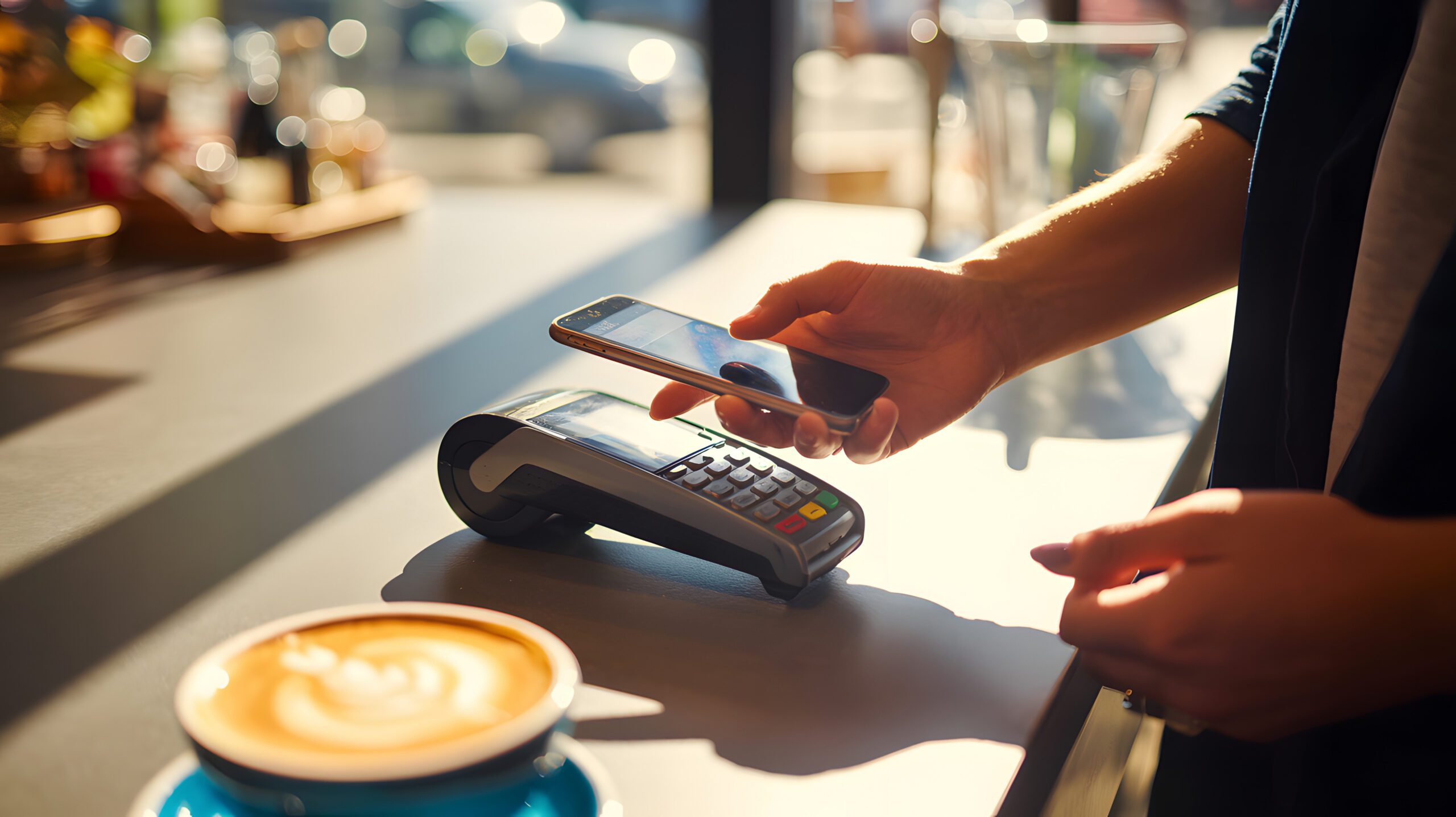
Since the introduction of the mobile-payments concept, a significant amount of focus has been on the convenience it offers to consumers. A major selling point was that installing payment credentials on the mobile platform would enable consumers to leave their wallets behind and make faster payments at the point of sale. But is this really that much more convenient?
There is a developing sentiment that mobile payments are a solution without a problem. Yes, they have advantages over card-based payments, but who was complaining about plastic? The current plastic card-based payment system certainly has its problems, but convenience isn’t one of them. Cards are small, lightweight, and last for years at a time. Simply put, the system works.
Still, it is possible to make a good thing better, and just because consumers don’t recognize an opportunity for an improvement doesn’t mean it doesn’t exist. As Henry Ford was alleged to say regarding the development of the automobile, “If I had asked people want they wanted, they would have said faster horses.” So even if plastic cards don’t need to be replaced, are mobile payments a valuable improvement over plastic cards regardless?
The short answer is no. Even if mobile payments completely replaced plastic cards (which they won’t, not for many years), consumers would still need to carry their wallets. Eliminating the need to carry a credit card does not remove the leather wallet’s value as a central location to keep cash, ID cards (e.g., driver’s license, public transportation cards, and insurance cards), and more.
Mobile payments in and of themselves are not inherently an improvement in convenience. It is difficult to argue otherwise. However, mobile payments do not exist in a vacuum. Although mobile payments alone are not a significant improvement, they do offer value when combined with other capabilities.
For example, consider the case of a consumer purchasing DVDs from a big box retailer. The difference between swiping a plastic card and tapping your phone is insignificant. However, there is a significant difference if, in addition to providing payment information, that tap also:
- Presents a coupon for 10% off
- Supplies loyalty information to accumulate rewards points
- Checks the consumer in to the location on Foursquare
- Prompts the consumer to leave a review on Yelp
- Alerts his friends on Facebook and Twitter that they should come over to watch the new DVDs
- Presents an offer to purchase discounted popcorn at the grocery store next door
In this example transaction, while moving the payment itself to the mobile platform is no more or less convenient than using a card, the additional capabilities being integrated with the mobile device make a significant difference in the consumer experience.
But this is only the beginning. Consumers are becoming increasingly dedicated to the mobile experience. More capabilities are slowly converging onto the mobile device. Already, smartphones are replacing MP3 players, cameras, video game consoles, and radios en masse, and have begun to replace other technologies in a more limited capacity (for example, a few weeks ago I downloaded an application that lets me use my smartphone as a remote control for my cable box). In the future, mobile devices will have the potential to contain official identification (such as driver’s licenses and insurance cards), unlock house doors, start car engines, and more.
Mobile payments are only one aspect of this movement towards mobile. In this context, as one part of the massive shift towards mobile, it is possible to understand how mobile payments are truly convenient. While eliminating the need to carry a plastic card is insignificant, eliminating the need to carry anything but a smartphone is not.
Ultimately, while mobile payments are not more convenient themselves, they are one factor of many that contributes to an increase in convenience. Inside of the transaction experience, moving payment credentials to the mobile platform enables a single action to execute several distinct functions simultaneously. Beyond transactions, mobile payments are just one aspect of the mobile experience that enables consumers to replace a number of items with the single mobile device. From this vantage point, the convenience is undeniable.


