
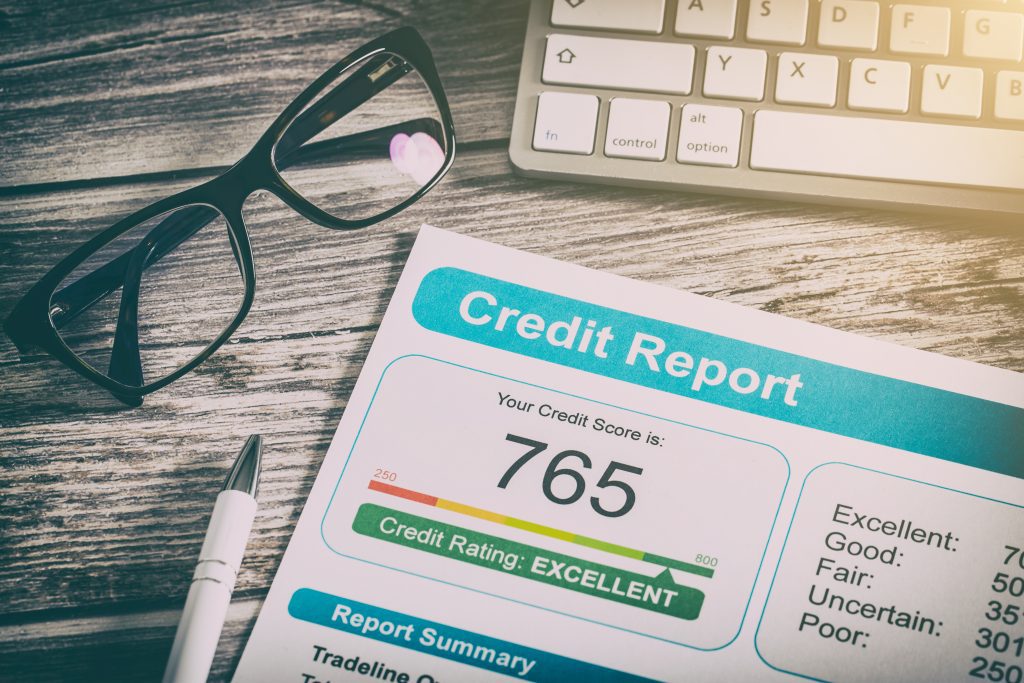
FICO Scores are the credit card standard, throughout the account lifecycle.
Top issuers use them at the acquisition point, they become the foundation for assessing credit quality on regulatory reports like Current Expected Credit Loss, automated credit line increases consider them, collection groups use them to triage resources, and when it comes time to securitize portfolios in capital markets, the FICO Score is a universal risk comparison tool.
FICO Announces the Average U.S. Credit Score Dropped
The FICO® Score Credit Insights Fall 2025 report announced a modest drop in the aggregate U.S. score:
- National Average FICO® Score at 715: The average score dipped two points from 2024 (although remained stable since FICO’s last update), driven by rising credit card utilization and a spike in missed payments, in part due to resumed student loan delinquency reporting.
A two-point drop is not the sign of a major crisis, but it does suggest that lenders need to keep their eyes peeled for hot pockets in delinquency. The return of student loan collections is a flag, which affects several age cohorts. In this segment, keep an eye on ability to repay issues. According to this source, the average student loan payment is $536 per month, enough to trigger financial disruption in many households.
And with increased line utilization, a FICO Score element that has been around for decades, keep an eye out on ascending revolving debt. This is a natural extension of people’s budgets under pressure. Remember, there is $1.2 trillion in revolving debt, and a whopping $4 trillion in open to buy on consumer credit cards, so issuers should keep an eye on decreasing lines, just as much as they talk about increasing lines. For more information on credit line decrease programs see Reducing Operational Risk Through Careful Credit Line Decreases.