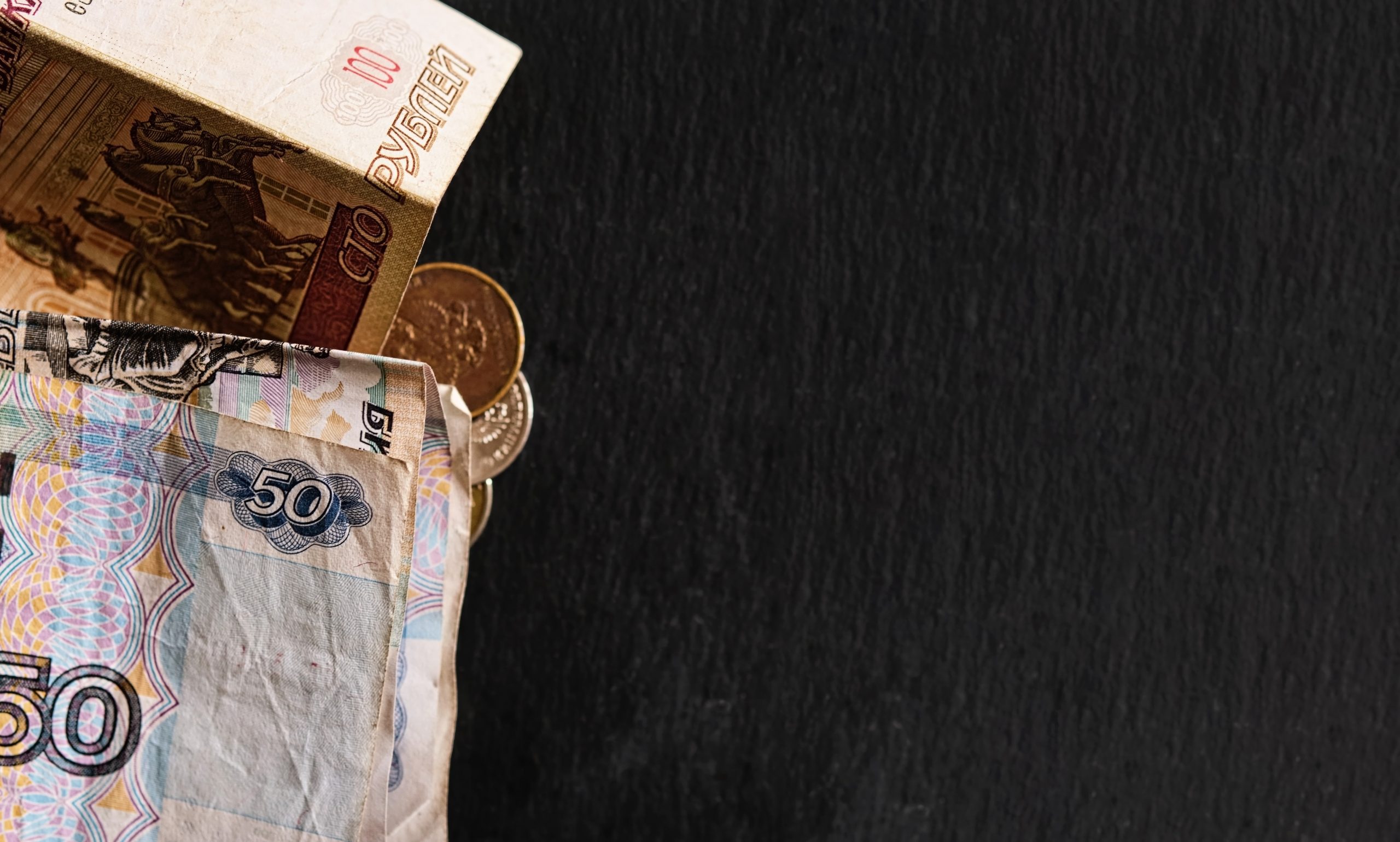
Credit cards in Russia are in distress. The exit of major payment brands certainly disrupts the ability to access credit lines and transact, even as Russia begins to rely on Mir as a backup. An even larger issue is the credit rating for the country, as sanctions begin to take hold.
Before you start complaining about the price of gasoline in the U.S., consider this:
Inflation persists. According to Trading Economics,
Russia’s annual inflation rate accelerated to 9.15 percent in February of 2022, from 8.73 percent in the previous month.
It was the highest reading since January of 2016, as inflation rose sharply through 2021 and is now over twice as high as the central bank’s target of 4 percent, while forecasts point to surging figures in 2022 amid sanctions from the west and raw materials shortages due to Russia’s invasion of Ukraine.
Now, consider interest rates, where the index becomes unmanageable:
• the central bank’s emergency rate hike to 20 percent from 9.5 percent
And consumer prices:
• Upward pressure came from prices of food (11.46 percent vs 11.09 percent in January), namely for:
o fruits and vegetables (16.05 percent vs 16.01 percent),
o services (6.1 percent vs 5.38 percent),
o non-food products (8.96 percent vs 8.73 percent),
o construction materials (22.48 percent vs 22.8 percent).
Now a larger challenge, as Bloomberg reports:
S&P Global Ratings cut Russia’s credit score, saying the country’s debt is “highly vulnerable to nonpayment.”
The company lowered the country’s rating by a single notch to CC, two levels above default
Today’s Washington Post reports on Fitch, another important rating agency.
Russia is at “imminent” risk of defaulting on its debts as Western economic sanctions choke off its access to dollars and other global currencies to pay lenders, a move that would have devastating economic ripple effects.
Fitch Ratings downgraded Russia’s credit to “C,” or junk status, cautioning investors on Wednesday that Moscow was careening toward an inability to make good on its debts. Moody’s and S&P Global, the two other dominant international credit agencies, made similar moves in recent days.
But a default, which analysts are beginning to see as inevitable, could have far more sweeping consequences, sending lenders scurrying for financial high ground and fleeing developing international markets that rely on risk-tolerant investors.
Now, experts say, Russia is running out of dollars and other standard global currencies with which to pay creditors, and covering debts with rubles could only serve to further devalue the currency because it is basically worthless in global markets.
The Russian issue is far from over, and it has not bottomed out. Consumer credit is in shambles, but sovereign debt is even worse. With inflation surging, the ruble being devalued, and international supply chains in default, consumer credit and payments are the least of Russia’s problems.
So, maybe $4.00+ for gasoline in the U.S. is not as bad as it seems.
Overview by Brian Riley, Director, Credit Advisory Service at Mercator Advisory Group