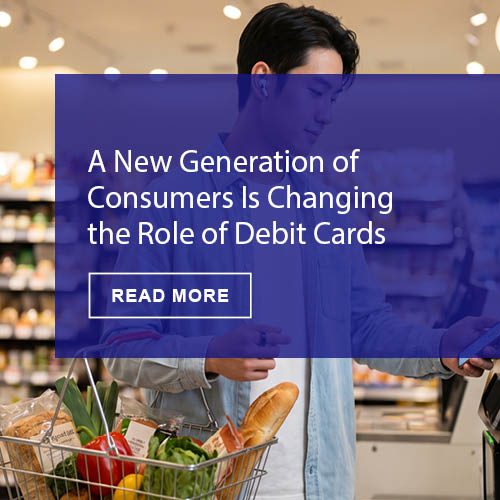
As post-COVID life takes shape, the increasing popularity of contactless transactions is making payments safer and more efficient. Contactless transactions allow shoppers to complete their purchase in seconds, often with just a tap of their credit or debit card. Consumers no longer need to exchange cash or enter a PIN number at the point of sale. Aside from providing greater convenience, contactless transactions also offer more security since they are typically processed over encrypted networks that are more difficult to break into than older technologies. As more businesses around the world adopt contactless payments in post-COVID environments, it is clear that this technology is here to stay.
Don’t miss another episode of Truth In Data! Click on the red bell in the lower-left corner of your screen to receive notifications as soon as the episode publishes.
Data for today’s episode is provided by Mercator Advisory Group’s report –COVID-19: The Power Behind Contactless
Contactless and Contact-Free Transactions Post COVID:
- Some merchants offering EMV contactless, or a contactless retail app, still require the consumer to touch the POS terminal.
- Contactless payments may still require consumers to select a payment type, sign, enter a PIN, or select a receipt type.
- Note that merchants could offer contact-free through EMV chip as long as a PIN, signature or other acknowledgment is not required.
- Transaction data is not readily available to gauge the potential expansion of contactless payments.
- One plausible explanation is that, while the numbers may be expanding, they are not yet impressive enough for publication.
- Another explanation for unavailable data is that the overall decline in transaction volume due to COVID makes the results less compelling.
- Further, there are complications reporting contactless transactions due to signal capture in the databases warehousing transactions.
About Report
COVID-19 has created consumer interest and use of contact-free payment experiences as fear of infection from surfaces, including a point-of-sale (POS) device, drives new behaviors. While reports and surveys proclaim cardholders’ interest in contactless technology, the actual number of contactless debit transactions authorized on a contactless card or mobile app remains elusive. This report, COVID-19: The Power Behind Contactless, considers the available market data and Mercator Advisory Group research to better understand the level of contactless payment activity and the degree to which COVID-19 is affecting its growth.
“The onset of the coronavirus created the perfect storm of events that is driving awareness more quickly than all the promotional activities have to date. Cardholders’ wellbeing is the incentive to adopt a new payment method. More consumers are now aware of the contactless capabilities they have on their debit card, which is driving new users in addition to increased use by current users,” comments Sarah Grotta, Director, Debit and Alternative Products Advisory Service at Mercator Advisory Group and author of the report.