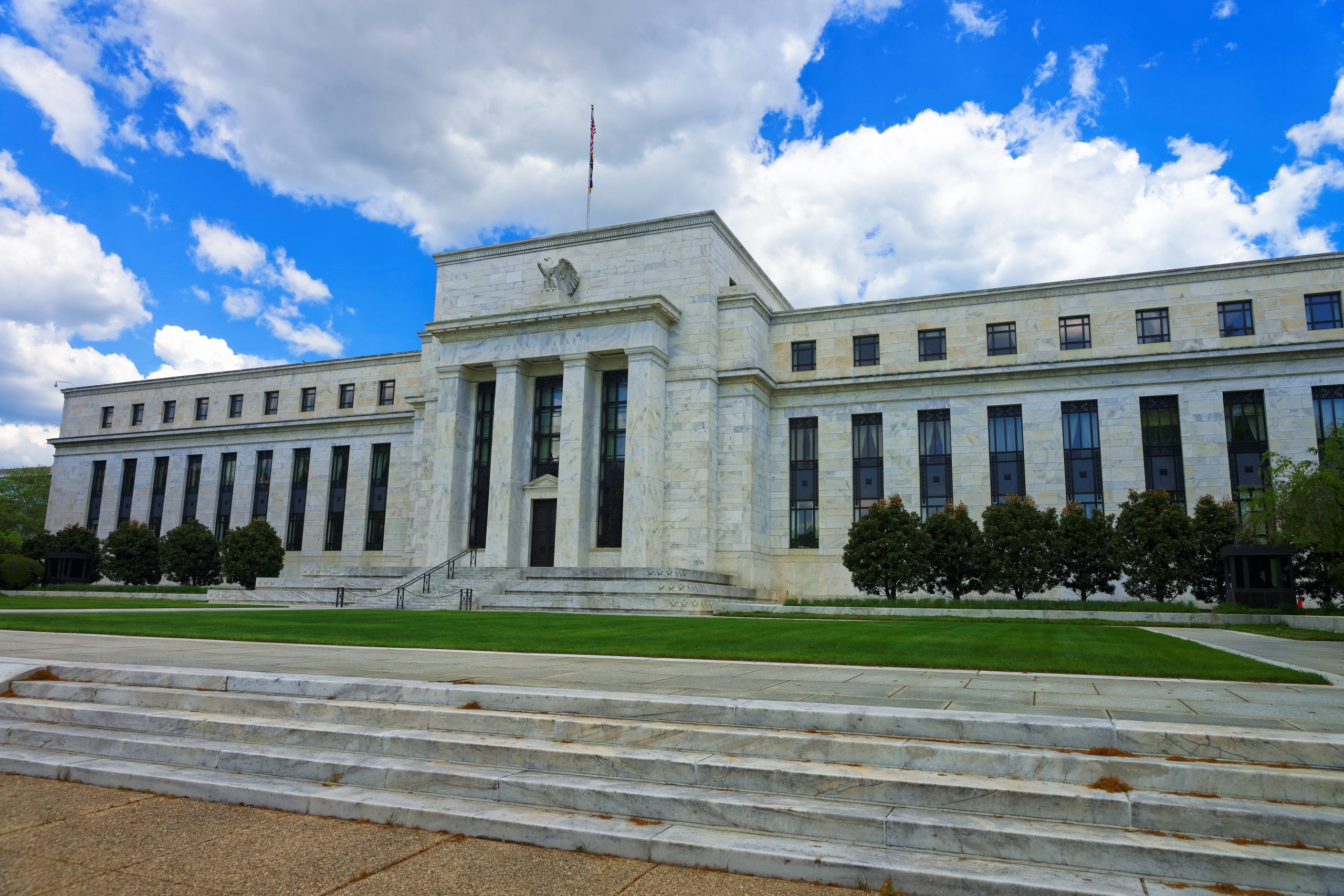
The Federal Reserve finds itself in a complex situation as it pursues seemingly contradictory policies: easing bank regulations while simultaneously raising interest rates. This internal conflict highlights the challenges the Fed faces in balancing its dual mandate of promoting economic growth and maintaining financial stability. As the central bank moves to deregulate certain aspects of the banking sector, it also takes steps to tighten monetary policy, leading to debates over the potential impacts of these opposing actions on the broader economy.
Easing Bank Regulations
One of the Fed’s key actions is the easing of certain bank regulations, particularly those introduced in the wake of the 2008 financial crisis. The central bank, along with other regulatory agencies, seeks to roll back some of the stringent rules imposed by the Dodd-Frank Act, arguing that these regulations are overly burdensome for financial institutions, especially smaller and regional banks.
The easing of these bank regulations is intended to stimulate economic growth by making it easier for banks to lend money, thereby supporting business expansion and consumer spending. Proponents of deregulation argue that loosening the rules enhances the competitiveness of U.S. banks, boosts credit availability, and spurs economic activity.
Raising Interest Rates
At the same time, the Federal Reserve is in the process of raising interest rates, a move aimed at curbing inflation and preventing the economy from overheating. After years of maintaining near-zero interest rates in response to the Great Recession, the Fed has begun a gradual process of normalizing monetary policy. By 2018, the central bank has raised rates multiple times, signaling its confidence in the strength of the U.S. economy.
However, raising interest rates typically has a tightening effect on the economy. Higher rates increase the cost of borrowing for consumers and businesses, which can lead to slower economic growth and reduced spending. This tightening effect appears to be at odds with the Fed’s simultaneous efforts to ease bank regulations, creating a paradoxical situation.
The Internal Debate
The Fed’s dual actions lead to debates both within the central bank and among economists about the potential consequences of these conflicting policies. Some argue that easing bank regulations could encourage excessive risk-taking in the financial sector, particularly as higher interest rates increase the cost of debt. This combination, they warn, could lead to instability in the financial system, reminiscent of the conditions that preceded the 2008 crisis.
Others contend that the Fed’s actions are appropriate given the circumstances. They argue that deregulation is necessary to stimulate lending and support economic growth, while the rate hikes are a prudent measure to keep inflation in check. The challenge, they acknowledge, is finding the right balance between these two objectives.
Impact on the Economy
The Fed’s approach in 2018 has significant implications for the U.S. economy. On one hand, the easing of bank regulations is expected to provide a boost to economic activity by increasing access to credit and supporting business investment. On the other hand, the rate hikes are likely to slow economic growth by making borrowing more expensive.
The net effect of these policies remains uncertain, with some analysts predicting that the opposing forces could neutralize each other, leading to a more stable but slower-growing economy. Others fear that the conflicting policies could create imbalances, particularly in the financial sector, that might pose risks to long-term economic stability.
The Federal Reserve’s simultaneous efforts to ease bank regulations while raising interest rates in 2018 highlight the complexities of managing monetary policy in a dynamic and interconnected economy. The internal conflict within the Fed underscores the challenges of balancing the need for economic growth with the imperative of maintaining financial stability. As the central bank continues to navigate these competing priorities, its actions have far-reaching implications for the U.S. economy and the global financial system.