PaymentsJournal
No Result
View All Result
SIGN UP
  • Commercial
  • Credit
  • Debit
  • Digital Assets & Crypto
  • Digital Banking
  • Emerging Payments
  • Fraud & Security
  • Merchant
  • Prepaid
PaymentsJournal
  • Commercial
  • Credit
  • Debit
  • Digital Assets & Crypto
  • Digital Banking
  • Emerging Payments
  • Fraud & Security
  • Merchant
  • Prepaid
No Result
View All Result
PaymentsJournal
No Result
View All Result

Kraken’s Master Account Approval Is a Watershed Moment for Crypto

By Wesley Grant
March 4, 2026
in Analysts Coverage, Compliance and Regulation, Digital Assets & Crypto, Fintech
0
0
SHARES
0
VIEWS
Share on FacebookShare on TwitterShare on LinkedIn
kraken master account

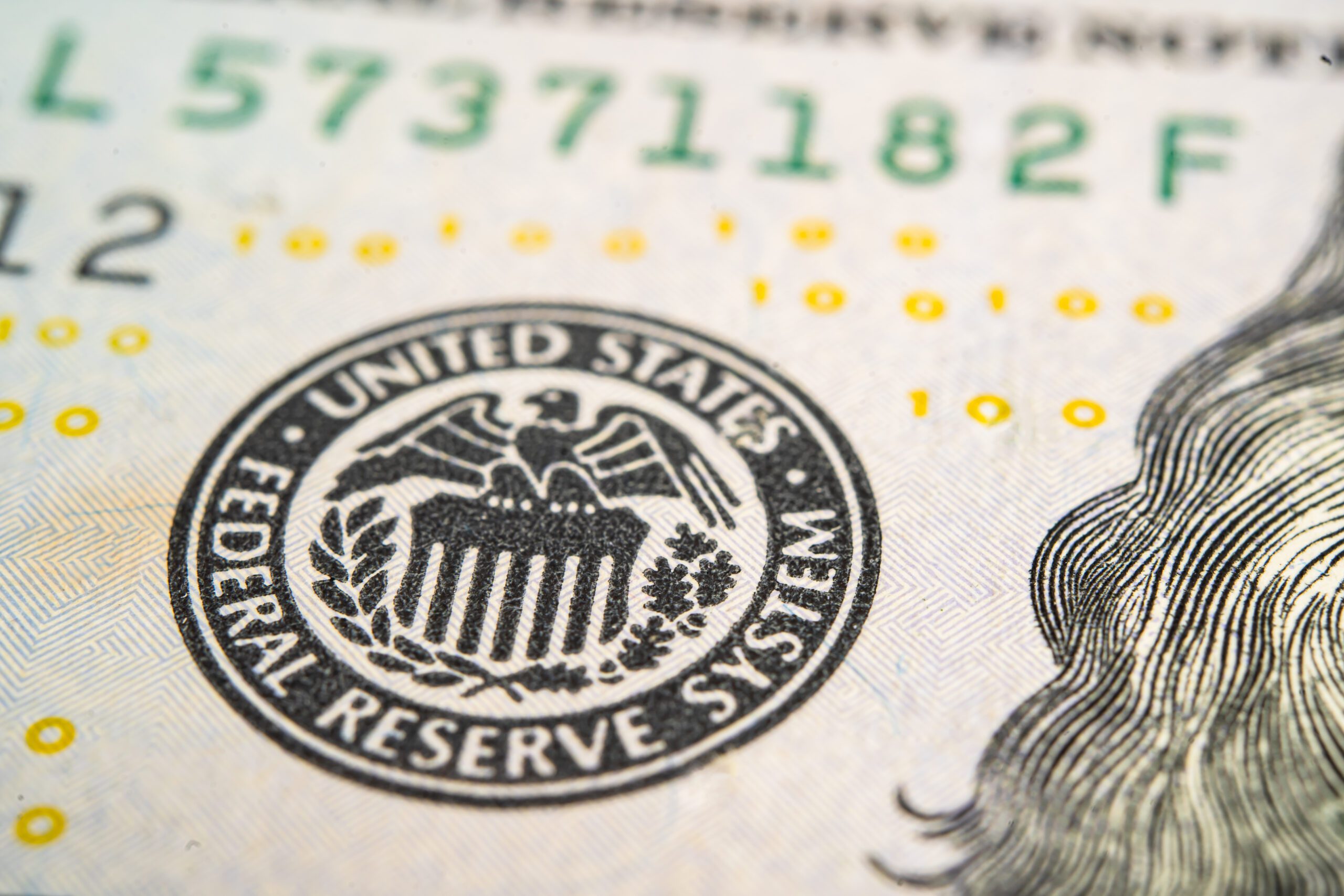
FED The Federal Reserve System, the central banking system of the United States of America.

The idea of a limited-scope, or “skinny,” master account for fintechs has gone from abstraction to reality in just a few short months.

In October, Federal Reserve Governor Christopher Waller proposed a model that would allow fintechs to directly access certain services from the central bank. Until now, many of these companies have relied on licensed banks’ master accounts to operate payment services—a workaround that can become cumbersome and costly as companies scale.

According to the Wall Street Journal, crypto exchange Kraken has secured approval for a limited master account, marking a landmark development for the digital assets industry.

“This is a big deal because it connects directly to Fedwire and reduces reliance on correspondent banks,” said Joel Hugentobler, Cryptocurrency Analyst at Javelin Strategy & Research. “The second order effect is that it proves other non-FDIC insured institutions can be approved—with constraints for now—which will steepen competition for on-ramps, settlement, and potentially stablecoin and fiat management.”

“One step further from there, the third order effects would probably be that banks feel pressure in their ‘gatekeeper roles,’” he said. “There will be further debates about deposit disintermediation if more crypto companies like Kraken get direct access to the Fed’s rails.”

The Bailiwick of Banks

Banks have already voiced concerns. Master accounts at the Fed have traditionally been reserved for insured depository institutions deemed low risk. In exchange for access to the central bank’s rails, those institutions assume substantial compliance burdens and regulatory constraints.

Some financial institutions argue that extending similar access to fintechs—even in a limited capacity—could impact banks’ revenue and market share. Others contend that skinny accounts may not go far enough in safeguarding against fraud and money laundering risks.

Ramping Up the Comfort Level

Kraken will serve as an early test case for this framework. The Fed retains the authority to impose restrictions if necessary, and the exchange will not be permitted to earn interest on reserves or tap the central bank’s emergency lending.

Still, the approval represents a watershed moment for an industry that has grappled with regulatory uncertainty for years.

“Even though this is phased access for Kraken, it’s a good starting point for them to prove it has adequate controls and resilience and adheres to other compliance areas. Aand if all goes well, other services or platforms are likely to scale,” Hugentobler said.


0
SHARES
0
VIEWS
Share on FacebookShare on TwitterShare on LinkedIn
Tags: BankingcryptoFederal ReserveFintechKrakenMaster Account

    Get the Latest News and Insights Delivered Daily

    Subscribe to the PaymentsJournal Newsletter for exclusive insight and data from Javelin Strategy & Research analysts and industry professionals.

    Must Reads

    first-party-fraud

    Returns, Disputes, and the Rise of First-Party Fraud

    March 4, 2026
    commercial payments

    From Theory to Application: The Impending Transformation of Commercial Payments

    March 3, 2026
    Payments Modernization, ACH payments

    ACH and the Path Toward Future-Ready Payments

    March 2, 2026
    millennial gen z business owner

    Gen Z and Millennials Are Business Owners: Are Banks Ready?

    February 27, 2026
    google blockchain

    Why Banks Should Follow Fintechs’ Lead on Developer Portals

    February 26, 2026
    credit unions

    Not Just Another Bank: How Credit Unions Can Reach Younger Members

    February 25, 2026
    fraud

    Escalating Scams Demand a Dedicated Response

    February 24, 2026
    metal credit card

    Why More Global Consumers Are Aspiring to Unbox Metal Cards

    February 23, 2026

    Linkedin-in X-twitter
    • Commercial
    • Credit
    • Debit
    • Digital Assets & Crypto
    • Digital Banking
    • Commercial
    • Credit
    • Debit
    • Digital Assets & Crypto
    • Digital Banking
    • Emerging Payments
    • Fraud & Security
    • Merchant
    • Prepaid
    • Emerging Payments
    • Fraud & Security
    • Merchant
    • Prepaid
    • About Us
    • Advertise With Us
    • Sign Up for Our Newsletter
    • About Us
    • Advertise With Us
    • Sign Up for Our Newsletter

    ©2024 PaymentsJournal.com |  Terms of Use | Privacy Policy

    • Commercial Payments
    • Credit
    • Debit
    • Digital Assets & Crypto
    • Emerging Payments
    • Fraud & Security
    • Merchant
    • Prepaid
    No Result
    View All Result