PaymentsJournal
No Result
View All Result
SIGN UP
  • Commercial
  • Credit
  • Debit
  • Digital Assets & Crypto
  • Digital Banking
  • Emerging Payments
  • Fraud & Security
  • Merchant
  • Prepaid
PaymentsJournal
  • Commercial
  • Credit
  • Debit
  • Digital Assets & Crypto
  • Digital Banking
  • Emerging Payments
  • Fraud & Security
  • Merchant
  • Prepaid
No Result
View All Result
PaymentsJournal
No Result
View All Result

Memorized Card Numbers Linked to Increased Spending, Debt

By Tom Nawrocki
April 18, 2025
in Credit, News
0
0
SHARES
0
VIEWS
Share on FacebookShare on TwitterShare on LinkedIn
debit card increase, Fund Startup with Credit Cards, NAFCU Credit Card Spending Rise

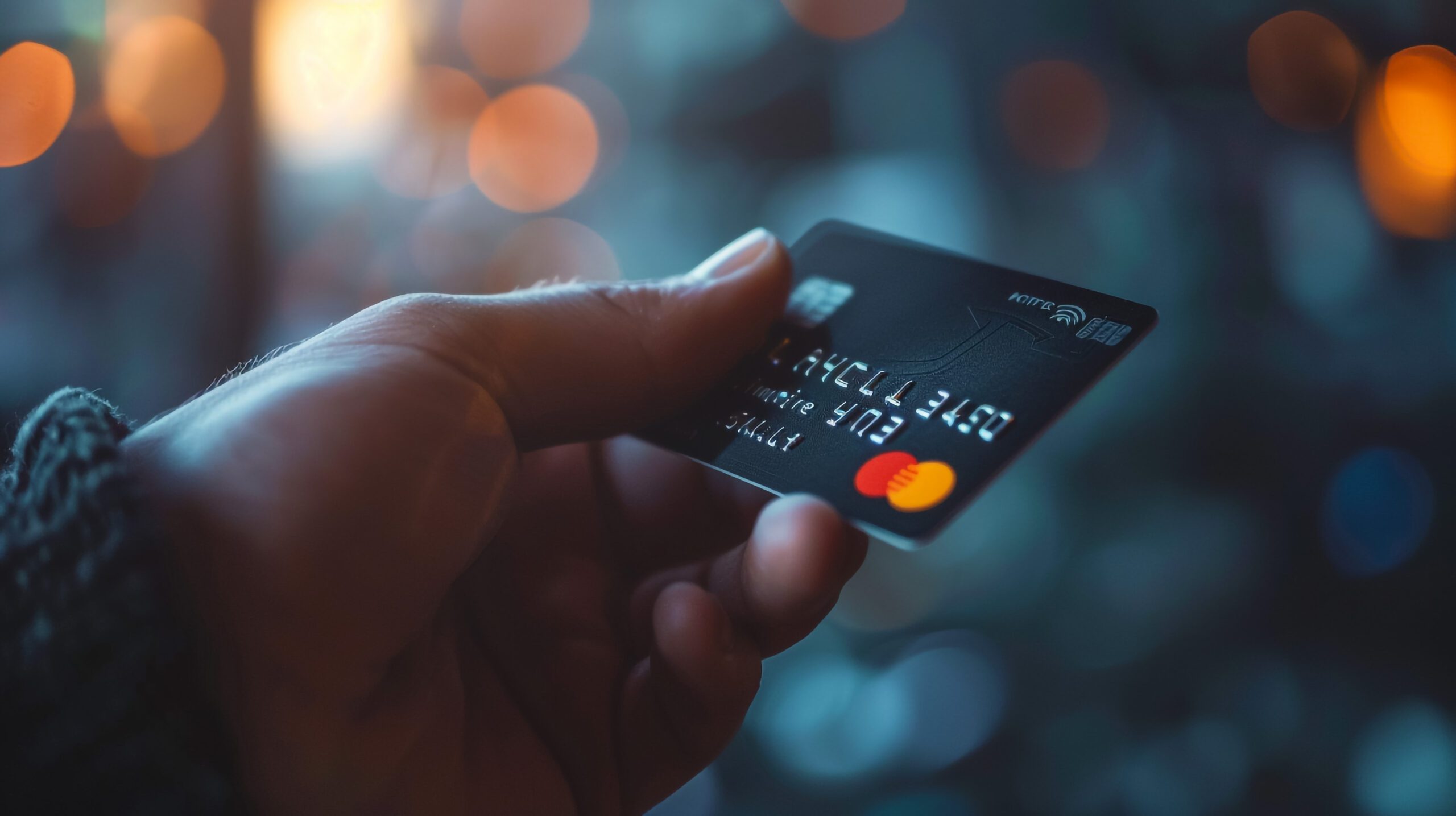
Man hand with credit card for pay close up.

Whether by design or sheer repetition, many consumers have memorized their debit or credit card numbers. That may be a handy piece of knowledge, but those who know their card numbers also tend to spend more—and rack up more debt.

A survey from Western & Southern Financial Group found that nearly a third of Americans surveyed have memorized at least one debit or credit card number. What’s more, 20% of respondents who know their card numbers spend more than $500 per month online, compared to just 13% of those who haven’t. They also carry, on average, 10% more debt than non-memorizers.

Generational Differences

The survey found a significant generation gap, with almost half of respondents who memorize their card numbers falling into the millennial group. Overall, more than a third of millennials have memorized at least one card number.

The reasons people gave for memorizing their numbers also varied across generations. More than two-thirds of Gen Z respondents said they did so to make online shopping easier, while, 20% of baby boomers memorized their card numbers specifically to avoid using digital wallets.

Gen Z was also the most likely to feel that knowing their card numbers led to more impulse buying and overspending. In contrast, a third of the baby boomers were the most likely to report that memorizing their card numbers had improved their financial discipline.

There is some evidence that memorization goes hand in hand with responsible behavior. A total of 70% of memorizers checked their credit card or bank statements at least weekly, compared to 61% of non-memorizers.

However, impulse buying was also slightly more common among memorizers. Roughly 26% made unplanned purchases, compared to 23% of non-memorizers. Memorizers were also somewhat more likely to shop when stressed.

Security Throws Up Roadblocks

The most common reason respondents gave for memorizing their card numbers was simply frequent use. However, this may become less common, as new security measures are making it harder for users to keep these numbers in their head.

The Apple Card’s Advanced Fraud Protection feature, for instance, automatically rotates the three-digit security code after the number is viewed in their Apple Wallet or auto-filled in Safari, making it impossible to memorize. Unlike other credit cards, Apple Card’s security code is stored in the Wallet app, not on the physical card.


0
SHARES
0
VIEWS
Share on FacebookShare on TwitterShare on LinkedIn
Tags: Baby BoomersCreditCredit CardsDebit CardsGen ZWestern & Southern

    Get the Latest News and Insights Delivered Daily

    Subscribe to the PaymentsJournal Newsletter for exclusive insight and data from Javelin Strategy & Research analysts and industry professionals.

    Must Reads

    fintech bank data

    The Growing Data Battle Between Banks and Fintechs

    March 23, 2026
    7 Fabulous AI Chatbot Trends for Small Business, AI chatbots in business, chatbots instant gratification millennials

    What Banking Customers Want—and Don’t Want—From Chatbots

    March 20, 2026
    credit unions crypto

    What Should Credit Unions Be Doing with Crypto?

    March 19, 2026
    agentic commerce trust

    The Fate of Agentic Commerce Hinges on an Elusive Resource: Trust

    March 18, 2026
    fis fednow, commercial prepaid

    Where Are the Biggest Opportunities in the Commercial Prepaid Market?

    March 17, 2026
    Australia, fintech infrastructure investment

    Bridging the Gap: Investment Opportunities in Emerging Infrastructure

    March 16, 2026
    vertical saas

    Vertical SaaS Is Cashing in on Payments

    March 13, 2026
    tariffs

    A Year of Tariffs: Looking Back at the Global Impact

    March 12, 2026

    Linkedin-in X-twitter
    • Commercial
    • Credit
    • Debit
    • Digital Assets & Crypto
    • Digital Banking
    • Commercial
    • Credit
    • Debit
    • Digital Assets & Crypto
    • Digital Banking
    • Emerging Payments
    • Fraud & Security
    • Merchant
    • Prepaid
    • Emerging Payments
    • Fraud & Security
    • Merchant
    • Prepaid
    • About Us
    • Advertise With Us
    • Sign Up for Our Newsletter
    • About Us
    • Advertise With Us
    • Sign Up for Our Newsletter

    ©2026 PaymentsJournal.com |  Terms of Use | Privacy Policy

    • Commercial Payments
    • Credit
    • Debit
    • Digital Assets & Crypto
    • Emerging Payments
    • Fraud & Security
    • Merchant
    • Prepaid
    No Result
    View All Result