
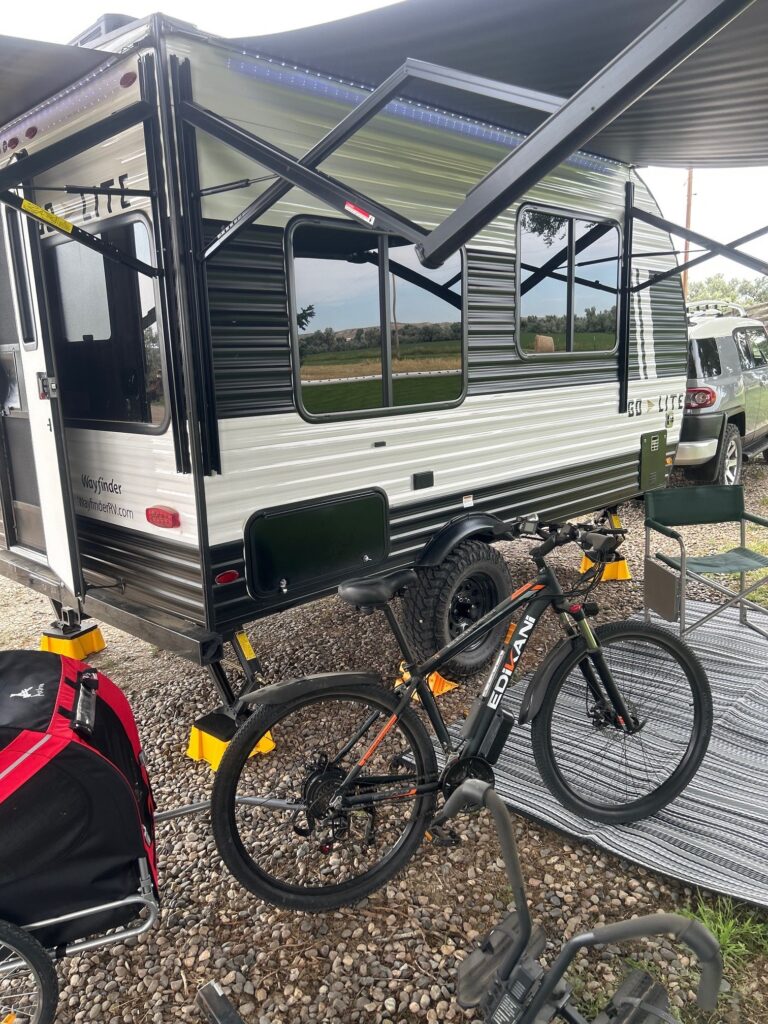
This is a happy story: I recently bought a travel trailer, a lightweight, 16-foot model I dubbed Tony Roamo, a nod to the quarterback-turned-TV analyst, with a spelling that reflects what I intend to do with my new toy.
This is a common story: I threw in a down payment and financed the rest. The most attractive loan offer came from a credit union where I live, which made me happy. I’m a big credit union guy. I think they’re important. I love to give them my business.
This is a sad story: By the time I got from loan approval to active, operational loan, I’d been through paperwork, a series of phone calls, and an in-branch visit, every bit of it unnecessary from my vantage point not only as a consumer but also as someone who works for a firm that advises financial institutions on avoiding the very issues this credit union inflicted on me.
This is a story of avoidable friction.
You Have a Loan; Now, Prepare for the Gantlet
Once the loan approval was in hand and a delivery date on the rig was set, I drove down to the dealership to sign the contract.
In paperwork terms, an RV purchase is more like a car loan than a home mortgage, and though I’m always a little surprised these days by paper processes that could, and should, be digitized, it was no big deal. A little analog, yes, and a hidebound practice, certainly, but the giddiness associated with my impending new vehicle outweighed all that.
Among the pieces of paper I filled out was a direct-debit form authorizing payments from my primary checking account (at a different credit union) to the loan account. Name, checking or savings, routing number, account number. I plugged in the applicable information and signed my name. Boom!
Imagine my surprise when, a couple of weeks later, I fished a packet of payment coupons from the mail. The lending credit union expected that I would fill out a coupon (no), write a check (absolutely not), stick both in the mail (are you kidding me?), month after month.
I called in protest, saying I’d filled out a form to authorize direct debit. Well, whoever I talked to said, you’re set up for payments by check. Yes, I said, clearly, but I don’t want that. I haven’t written a check in years. OK, she said, I’ll have the person who put together your loan call you.
The loan officer called the next day and left a message, the gist of which was that I could open a checking account at the lending institution and set up direct debit from there. I called back and left a message: I already have a checking account. I’d like to draw from there, not onboard into a new account for the sole purpose of making my loan payments.
She called back and left a message and said, sure, just come into the branch, bring your ID and your banking information, and we’ll set that right up.
(Feel free to pause here and scream. I’m certain that’s what I did.)
None of This Was Necessary
I’m going to assume a few things:
- No one I dealt with at the credit union is incompetent or prone to harboring bad intentions.
- The process I was subjected to wasn’t designed to waste my time or the time of credit union employees.
- I’m not unreasonable to be so put off by how it all unfolded.
And yet:
- I filled out paperwork that went unused, only to fill it out again, in person, at the branch.
- My time, and the time of the credit union employees I dealt with, was most certainly wasted.
- Testy and sarcastic? Absolutely. Unreasonable? No.
Avoidable friction comes in many flavors. When we talk at Javelin Strategy & Research about removing friction from processes, whether it’s onboarding, setting up alerts, initiating payments, or virtually anything else, this is what we mean.
It’s not difficult to imagine or engineer a seamless, all-digital process by which a loan is applied for, initiated, funded, and paid back. Even if a little friction must intercede—for know-your-customer checks, for example—I think we can agree that unused paperwork, four phone calls, and a branch visit don’t just border on the excessive; they storm the battlements and assault the castle.
To not root out this friction and find a better way is to risk disintermediation by lenders that specialize in quick and frictionless processes. For a local credit union, a loan like mine should be a coveted jewel—a moneymaker, a vehicle for establishing an ongoing relationship, a testament to providing needed services to the community where the institution resides.
As it is, I’m left cold by the experience—unlikely to recommend this institution to a friend and certain to look elsewhere the next time I need a loan.
My stance isn’t punitive. It’s just business.