

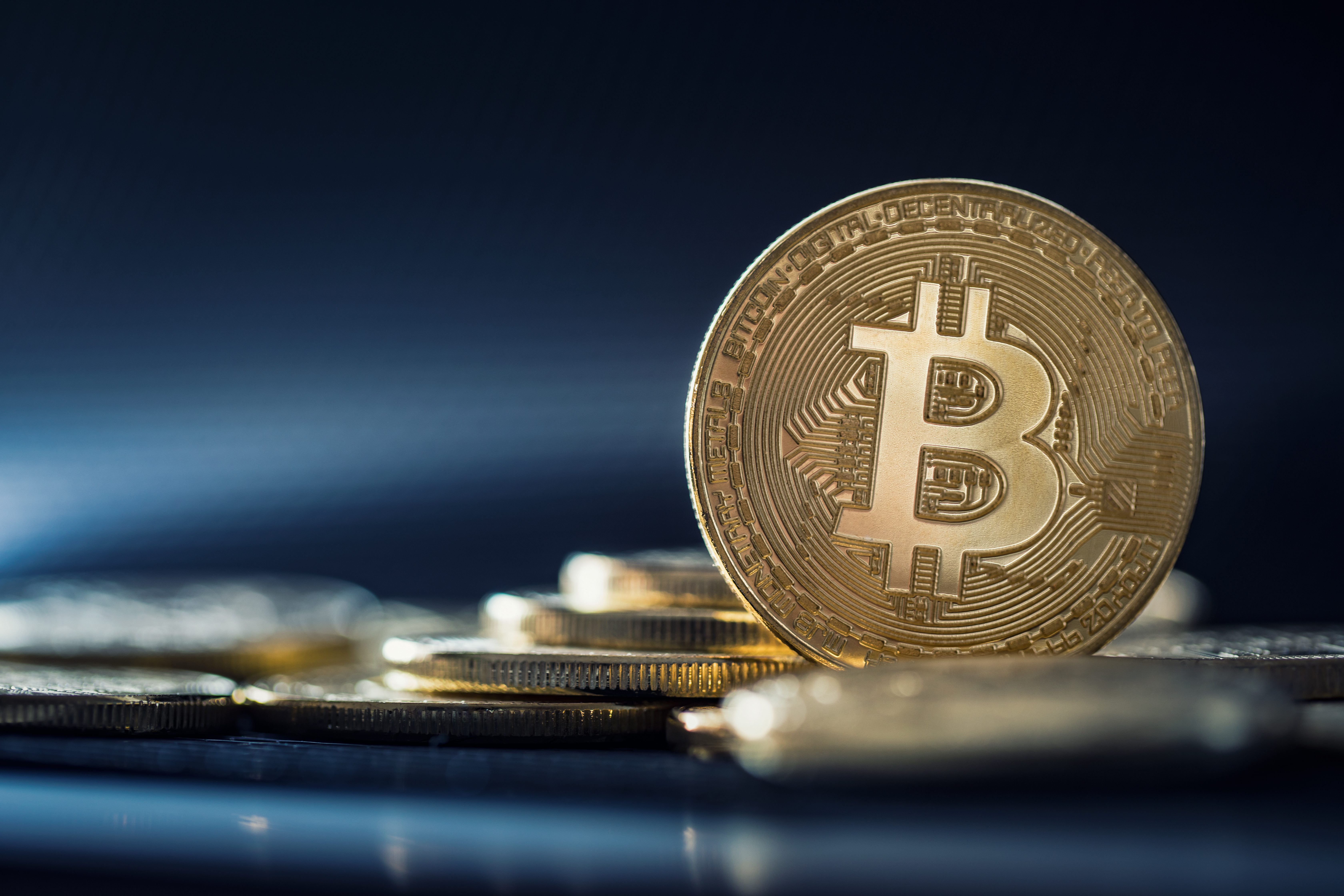
A sale of 9,800 in seized bitcoin has netted the U.S. government $215 million.
The sale was completed last month. It involved a small number of the roughly 50,000 bitcoin the government seized from James Zhong, a Georgia man, in 2021. Federal prosecutors announced in November 2022 that Zhong had pleaded guilty to wire fraud in obtaining the bitcoin a decade earlier from Silk Road, a dark web marketplace that was shut down in 2014.
The sale brought in almost $22,000 on a per-coin basis.
How Zhong Got the Goods
According to the news release put out by the U.S. Department of Justice after Zhong’s guilty plea, the original theft and the subsequent recovery of the bitcoin played out as a high-tech caper.
The government says Zhong defrauded Silk Road of its money and property by creating a series of accounts designed to shroud his identity, then launching a series of 140 rapid-fire transactions that tricked the Silk Road withdrawal processor and released more than 50,000 bitcoin into his accounts.
He funded those accounts with an initial deposit of 200 to 2,000 bitcoin.
Silk Road was hardly innocent, a haven for drug dealing and illicit goods and services and the laundering of money. In 2015, after international authorities had shut down Silk Road, founder Ross Ulbricht was convicted on seven charges—including drug trafficking, criminal enterprise, aiding and abetting the distribution of drugs over the internet, computer hacking, and money laundering—and was sentenced to life in prison.
As one example of Zhong’s scheme, prosecutors laid out a series of actions he took on Sept. 19, 2012:
- First, he deposited 500 bitcoin into a Silk Road wallet.
- Less than five seconds later, he made five withdrawals of 500 bitcoin in rapid succession—all within a single second—and came away with 2,000 bitcoin.
How the Government Got Zhong
On Nov. 9, 2021, IRS Criminal Investigation agents searched Zhong’s Gainesville, Ga., house and located 50,491.06251844 of the approximately 53,500 in bitcoin crime proceeds they were seeking.
According to the Justice Department’s November 2022 release, the bitcoin was found in an underground floor safe and “on a single-board computer that was submerged under blankets in a popcorn tin stored in a bedroom closet.”
U.S. Attorney Damian Williams of the Southern District of New York emphasized the latter details in announcing Zhong’s guilty plea: “This case shows that we won’t stop following the money, no matter how expertly hidden, even to a circuit board in the bottom of a popcorn tin.”
Following the Money
At the time of the seizure of Zhong’s ill-gotten bitcoin, the government pegged the value of the cryptocurrency at $3.36 billion. That’s roughly $66,000 on a per-coin basis, a bit below the reported value for that day. The March sale represents a small slice of what the government will eventually liquidate from the seizure.
As noted above, 9,800 bitcoin at $215 million comes to roughly $22,000 on a per-coin basis.
Late Thursday, the bitcoin price was around $30,600.
Somebody is making out on that investment. Neither Ulbricht nor Zhong, but somebody.
Context Matters
Javelin Strategy & Research analyst Joel Hugentobler said it’s important to look beyond the flashy headlines at what’s really going on with bitcoin.
“The bitcoin network has reached a milestone in Q1 2023, settling over $100 trillion worth of transactions across the globe since its inception in 2009,” he said. “According to Chainalysis’ data, less than 1% of all crypto transactions are linked to illegal activities.”
He said it’s also a call to leverage the technological advantages of crypto transactions to further impede illicit activity.
“Fiat cash has been the go-to method used for illegal activities for decades,” Hugentobler said. “The kicker here is that transactions on the blockchain can be screened for those types of transactions while cash cannot.”


