PaymentsJournal
No Result
View All Result
SIGN UP
  • Commercial
  • Credit
  • Debit
  • Digital Assets & Crypto
  • Digital Banking
  • Emerging Payments
  • Fraud & Security
  • Merchant
  • Prepaid
PaymentsJournal
  • Commercial
  • Credit
  • Debit
  • Digital Assets & Crypto
  • Digital Banking
  • Emerging Payments
  • Fraud & Security
  • Merchant
  • Prepaid
No Result
View All Result
PaymentsJournal
No Result
View All Result

Walmart Canada Is Using Blockchain to Ease Supply Chain Burdens

By Don Apgar
January 6, 2022
in Analysts Coverage, Commercial Payments, Supply Chain
0
0
SHARES
0
VIEWS
Share on FacebookShare on TwitterShare on LinkedIn
Walmart Canada is Using Blockchain to Ease Supply Chain Burdens

Walmart Canada is Using Blockchain to Ease Supply Chain Burdens

When we think of blockchain we most often think of cryptocurrencies like Bitcoin that brought the technology into the public view. While many of the leading banks and FIs were skeptical of cryptocurrency when Bitcoin first emerged, they were also quick to point out the potential of the blockchain platform for solving other business use cases. 

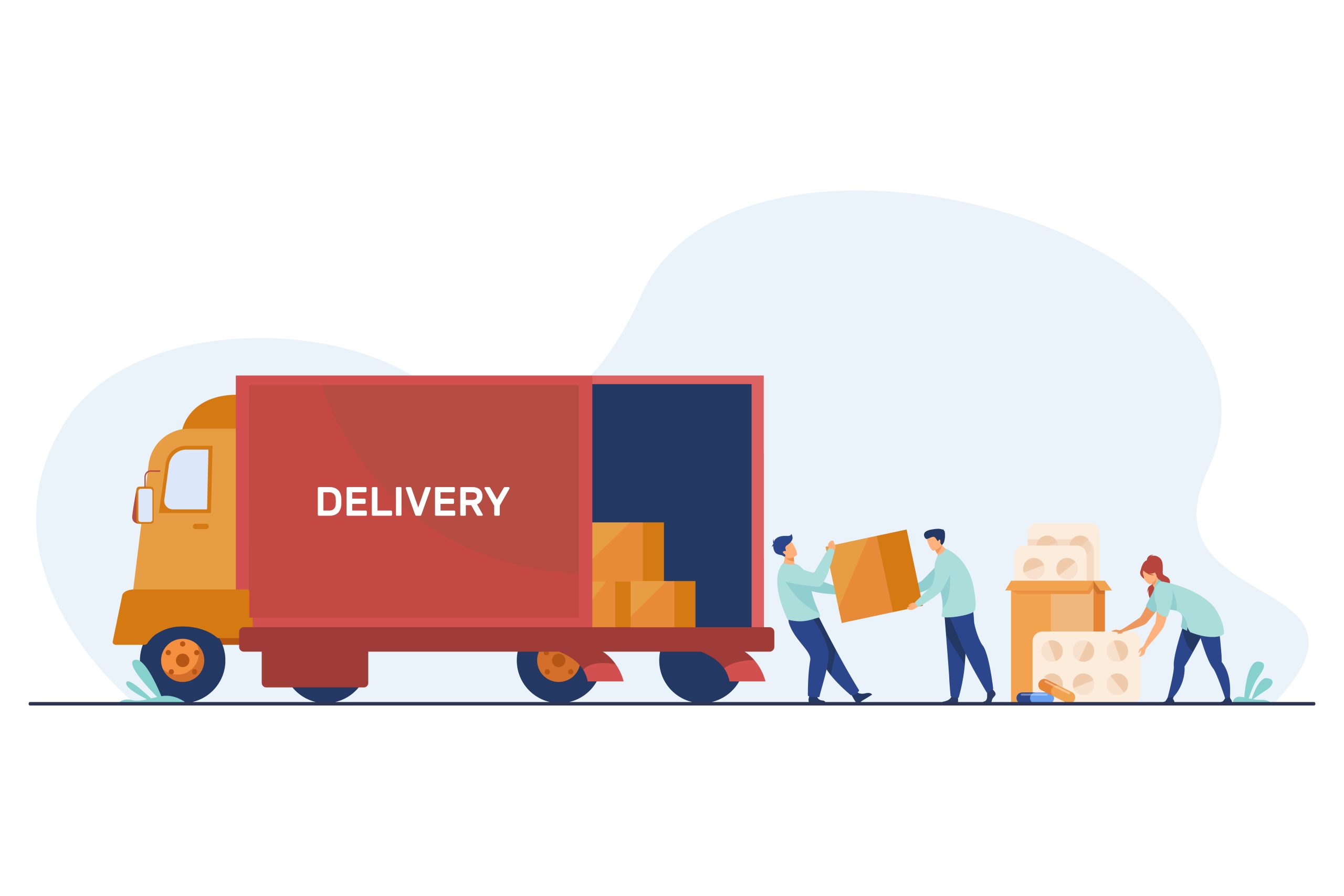
Walmart Canada did just that, using an innovative blockchain solution to iron out the wrinkles in their supply chain. Many consider Walmart to be experts in supply chain and logistics management, considering the scale and scope of their business. In Canada alone, Walmart uses 70+ third-party freight carriers in addition to its own fleet, moving 500,000 shipments annually (some perishable) across a wide expanse of time zones and climates. A bigger problem than the actual logistics is the billing and payments: each invoice needs to account for over 200 data points such as stops, gallons of fuel, temperature monitoring, etc. Each invoice must be reconciled to the quoted price based on the variables of each trip and the contract adjustments allowed for certain circumstances. The inherent complexity resulted in 70% of invoices requiring manual review, and the associated time resulted in delayed payments from Walmart to their shipping carriers.

The Walmart team analyzed the situation, and the root cause was identified to be the multiple information systems in use by both Walmart and its carriers; the systems could not communicate and exchange data, so reconciling invoices to quotes so that payment could be made was a time-consuming, manual process. Likewise, the carriers had similar issues in their receivables departments as they reconciled payments received from Walmart to their original quotes and invoices. The systems in use by each were purpose-built for the needs of their enterprise and worked well in their respective ecosystems, but were not optimized to exchange data with external systems. A blockchain network would overcome the issues of incompatible systems by serving as a single source of truth for the invoicing, data collection, contract rules, and payments for both Walmart and their 70+ carriers.

After two years of exhaustive testing, the system went live across the Walmart Canada logistics network and delivered immediate benefits by reducing the amount of disputed invoices from 70% to 1%, which in turn significantly reduced the manual efforts involved in payables and receivables, resulting in carriers getting paid on time.

Overview by Don Apgar, Director, Merchant Services Advisory Practice at Mercator Advisory Group

0
SHARES
0
VIEWS
Share on FacebookShare on TwitterShare on LinkedIn
Tags: BlockchainInvoicePayableReceivablesSupply ChainSupply Chain FinanceWalmart

    Get the Latest News and Insights Delivered Daily

    Subscribe to the PaymentsJournal Newsletter for exclusive insight and data from Javelin Strategy & Research analysts and industry professionals.

    Must Reads

    agentic commerce

    Demystifying the Agentic Commerce Enigma

    February 11, 2026
    payment gateways

    How Payment Gateways for Businesses Can Help You Offer Your Customers More Options

    February 10, 2026
    Reserve Bank of India (RBI) Extends Mandate for Tokenization to June '22

    Late Payments? Governments Are Taking Action

    February 9, 2026
    ai phishing

    The Fraud Epidemic Is Testing the Limits of Cybersecurity

    February 6, 2026
    stablecoins b2b payments

    Stablecoins and the Future of B2B Payments: Faster, Cheaper, Better

    February 5, 2026
    Payment Facilitator

    The Payment Facilitator Model as a Growth Strategy for ISVs

    February 4, 2026
    Simplifying Payment Processing? Payment Orchestration Can Help , multi-acquiring merchants

    Multi-Acquiring Is the New Standard—Are Merchants Ready?

    February 3, 2026
    ACH Network, credit-push fraud, ACH payments growth

    What’s Driving the Rapid Growth in ACH Payments

    February 2, 2026

    Linkedin-in X-twitter
    • Commercial
    • Credit
    • Debit
    • Digital Assets & Crypto
    • Digital Banking
    • Commercial
    • Credit
    • Debit
    • Digital Assets & Crypto
    • Digital Banking
    • Emerging Payments
    • Fraud & Security
    • Merchant
    • Prepaid
    • Emerging Payments
    • Fraud & Security
    • Merchant
    • Prepaid
    • About Us
    • Advertise With Us
    • Sign Up for Our Newsletter
    • About Us
    • Advertise With Us
    • Sign Up for Our Newsletter

    ©2024 PaymentsJournal.com |  Terms of Use | Privacy Policy

    • Commercial Payments
    • Credit
    • Debit
    • Digital Assets & Crypto
    • Emerging Payments
    • Fraud & Security
    • Merchant
    • Prepaid
    No Result
    View All Result