Fair Lending, covered by Regulation B (also known as the Equal Credit Opportunity Act; [ECOA]), is an essential facet of credit. The standards are not simply fair; they are good business.
As the Office of the Comptroller of the Currency indicates “The ECOA prohibits discrimination in credit transactions based on:
- race or color.
- national origin.
- religion.
- sex.
- marital status.
- age.
- applicant’s receipt of income from a public assistance program.
- applicant’s exercise, in good faith, of any right under the Consumer Credit Protection Act.
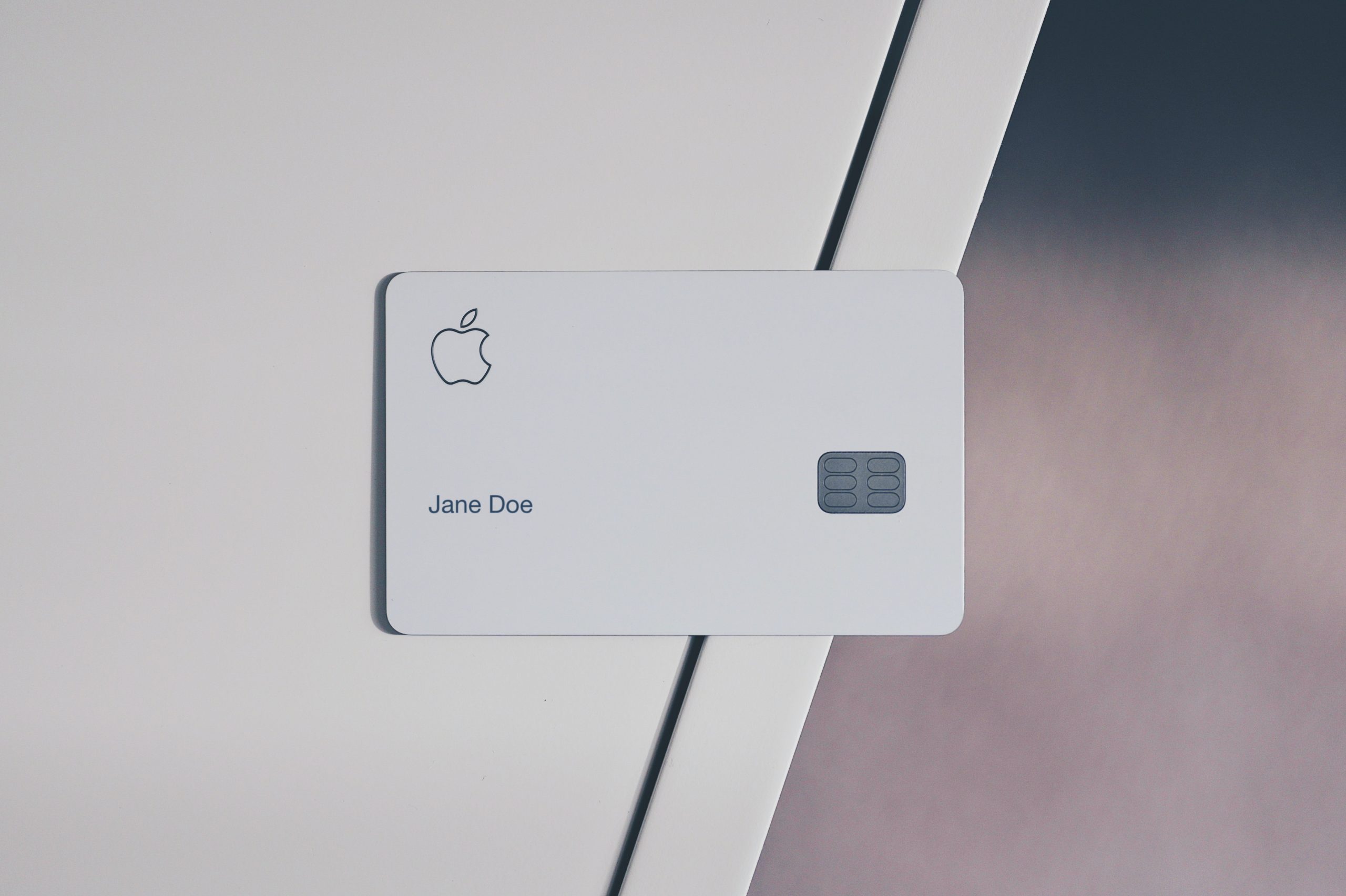
The success of Goldman Sachs’ Apple card met with claims of gender discrimination, where even the NY Times noted that a software developer said “that the credit card was “sexist” against women applying for credit.”
- David Heinemeier Hansson vented on Twitter that even though his spouse, Jamie Hansson, had a better credit score and other factors in her favor, her application for a credit line increase had been denied.
- Mr. Hansson, a prominent software developer, wondered how his credit line could be 20 times higher, referring to Apple Card as a “sexist program” (with an expletive added for emphasis).
- “My wife and I filed joint tax returns, live in a community-property state, and have been married for a long time,” Mr. Hansson wrote Thursday on Twitter. “Yet Apple’s black box algorithm thinks I deserve 20x the credit limit she does.”
The NYT (and many other media sources, noted:
- The criteria used by the Apple Card are now being scrutinized by the New York State Department of Financial Services.
- “Any algorithm that intentionally or not results in discriminatory treatment of women or any other protected class violates New York law,” an agency spokeswoman said in a statement on Saturday night.
There were other claims. Ironically, Steve Wozniak, had a similar issue, according to the NYT.
- Steve Wozniak, who invented the Apple-1 computer with Steven P. Jobs and was a founder of the tech giant, responded to Mr. Hansson’s tweet with a similar account.
- “The same thing happened to us,” Mr. Wozniak wrote. “I got 10x the credit limit. We have no separate bank or credit card accounts or any separate assets. Hard to get to a human for a correction though. It’s big tech in 2019.”
The post-audit Results are in, according to a New York State Banking Department audit.
- The New York State Department of Financial Services (the “Department”) today issued a report summarizing the Department’s findings after investigating consumer complaints about the Apple Card. The investigation, which included a review of several thousand pages of records and written responses from Goldman Sachs Bank (the “Bank”) and Apple, interviews of witnesses and Apple Card applicants, and analysis of underwriting data for approximately 400,000 New York State applicants for the Apple Card, did not produce evidence of unlawful discrimination against applicants under fair lending law.
- “While we found no fair lending violations, our inquiry stands as a reminder of disparities in access to credit that continue nearly 50 years after the passage of the Equal Credit Opportunity Act (ECOA),” said Superintendent of Financial Services Linda A. Lacewell. “The report also notes that the use of credit scoring in its current form and laws and regulations barring discrimination in lending are in need of strengthening and modernization to improve access to credit. Consumer frustration with the Apple Card policy of not permitting an account holder to add an authorized user drew attention to the following: a person who relies on a spouse’s access to credit, and only accesses those accounts as an authorized user, may incorrectly believe they have the same credit profile as the spouse. This is one part of a broader discussion we must have about equal credit access.”
This is good news for GS, Apple, and Mastercard, the issuing brand.
And it is nice to see that ECOA can provide a level-headed standard.
Overview Provided by Brian Riley, Director, Credit Advisory Service at Mercator Advisory Group