

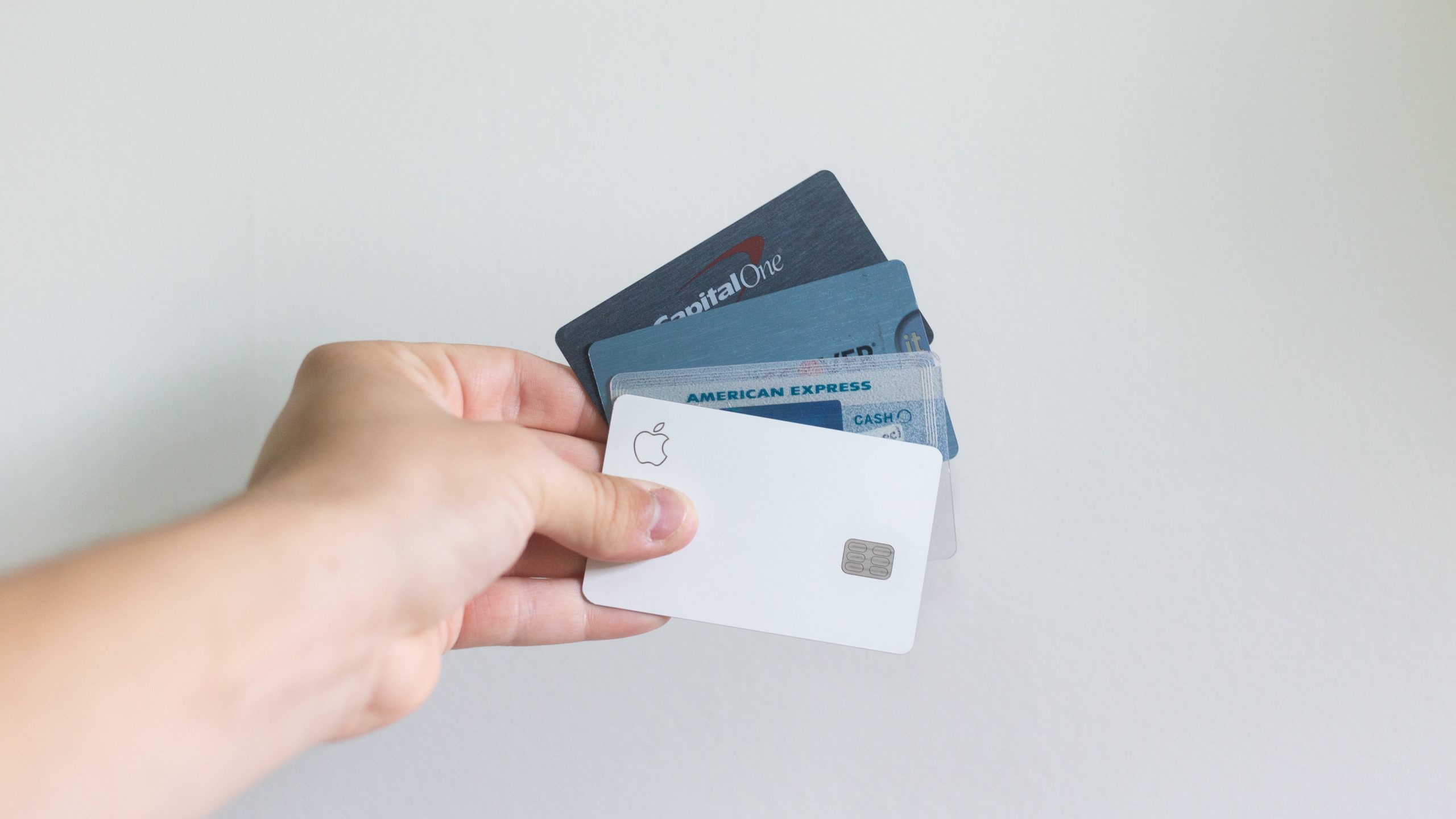
Article Update: June 2026. The private label credit card market has evolved significantly since this article was originally published. Retailers are increasingly combining store cards with digital wallets, embedded finance, buy now, pay later (BNPL) options, and loyalty ecosystems. However, private label credit cards remain one of the most effective tools for driving customer engagement and repeat spending.
The Evolving Private Label Credit Card Landscape
Private label credit cards (PLCCs) continue to play an important role in retail payments, despite growing competition from digital wallets, fintech apps, and alternative financing solutions.
For retailers, these cards offer more than a payment method. They provide valuable customer insights, support loyalty programs, encourage repeat purchases, and create additional revenue streams through financing and rewards.
For issuing banks, private label partnerships offer access to highly engaged customer bases and opportunities to deepen long-term relationships.
Competition for Major Retail Partnerships
The private label card market remains highly competitive, with major issuers continually vying for retailer relationships.
Over the last several years, the industry has experienced significant changes. Walmart ended its partnership with Capital One and has increasingly focused on building financial services through One, its majority-owned fintech platform. Other retailers have continued to reevaluate their card programs as customer expectations shift toward digital-first experiences.
These developments underscore how valuable large retail partnerships have become. Retailers with millions of customers can generate substantial transaction volume and create opportunities for cross-selling financial products.
Loyalty Remains the Driving Force
One reason private label credit cards continue to thrive is their ability to strengthen customer loyalty.
Retailers often use store cards to provide exclusive discounts, special financing offers, bonus rewards, and early access to promotions. These benefits encourage customers to spend more frequently and develop stronger relationships with a particular brand.
Many retailers report that loyalty program members and cardholders spend significantly more than non-members. The combination of rewards, personalized offers, and financing options creates a compelling value proposition that is difficult for competitors to replicate.
Embedded Finance Creates New Opportunities
The emergence of embedded finance has expanded the role of private label credit cards.
Today’s retailers increasingly integrate payment capabilities directly into their apps, websites, and loyalty platforms. Customers can access financing, rewards, and payment options without leaving the shopping experience.
Many retailers are also incorporating buy now, pay later solutions, digital wallets, and account-to-account payment options alongside traditional credit products.
Rather than replacing private label cards, these innovations often complement them by creating additional ways for consumers to engage with retailer ecosystems.
Digital Experiences Matter More Than Ever
Consumers increasingly expect seamless digital experiences when managing financial products.
Retailers and issuers have responded by enhancing mobile apps, improving account management tools, and integrating card benefits directly into loyalty platforms. Features such as instant account access, digital card provisioning, personalized offers, and real-time notifications have become standard expectations.
As a result, successful private label programs today depend as much on user experience as they do on rewards and financing benefits.
Looking Ahead
While the payments industry continues to evolve, private label credit cards remain a valuable tool for both retailers and financial institutions.
Competition from fintechs, digital wallets, and alternative payment methods will continue to grow. However, the ability of private label cards to drive customer loyalty, increase spending, and support broader retail ecosystems ensures they will remain an important part of the payments landscape for years to come.
The battle for customer loyalty is far from over. As retailers seek new ways to engage consumers, private label credit cards will continue adapting alongside the broader transformation of financial services.


