PaymentsJournal
No Result
View All Result
SIGN UP
  • Commercial
  • Credit
  • Debit
  • Digital Assets & Crypto
  • Digital Banking
  • Emerging Payments
  • Fraud & Security
  • Merchant
  • Prepaid
PaymentsJournal
  • Commercial
  • Credit
  • Debit
  • Digital Assets & Crypto
  • Digital Banking
  • Emerging Payments
  • Fraud & Security
  • Merchant
  • Prepaid
No Result
View All Result
PaymentsJournal
No Result
View All Result

Credit Card Delinquencies: Volume Decreases Choke Collection Agencies

By Brian Riley
September 27, 2021
in Analysts Coverage, Collections, Commercial Payments
0
0
SHARES
0
VIEWS
Share on FacebookShare on TwitterShare on LinkedIn
Credit Card Delinquencies: Volume Decreases Choke Collection Agencies

Credit Card Delinquencies: Volume Decreases Choke Collection Agencies

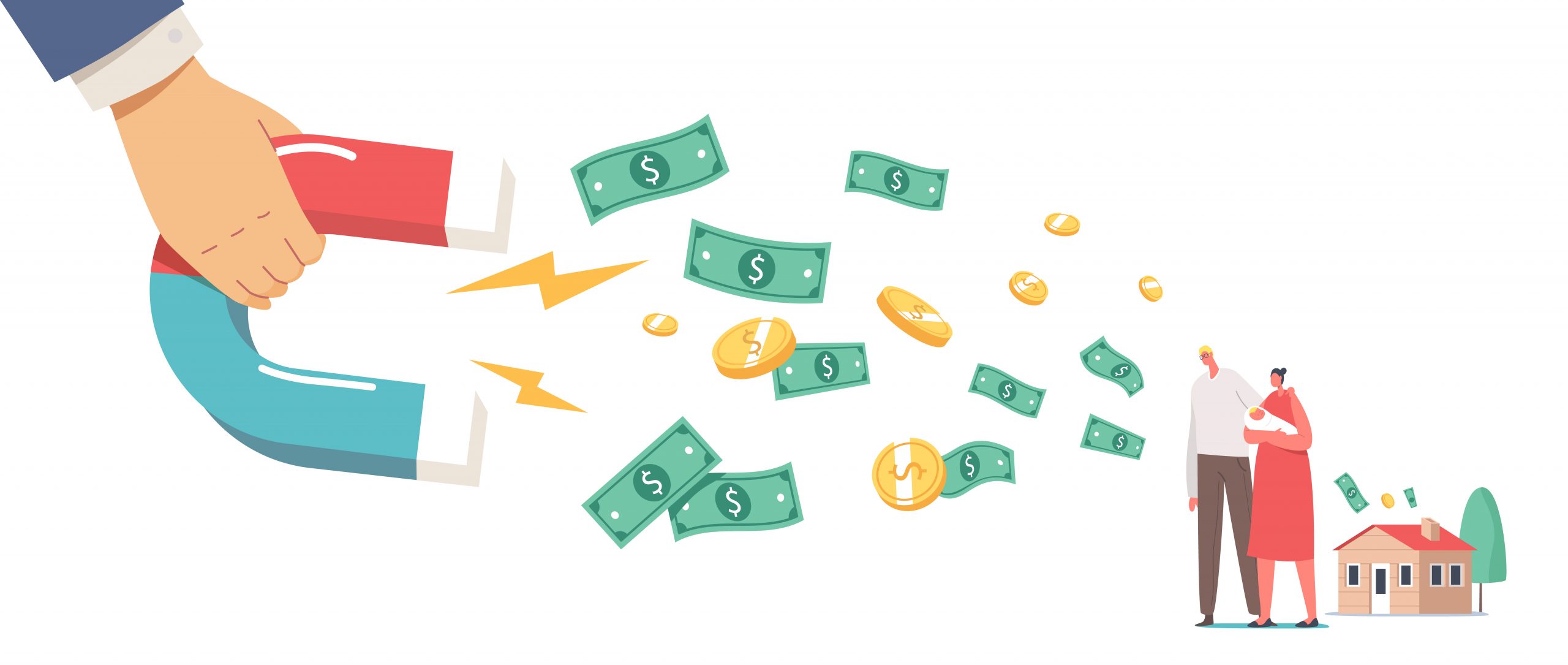
Probably the least regarded segment of credit cards is the lowly collection agency. They work at the back end of the credit cycle and generally earn 30% to 50% commissions when they get the delinquent customer to repay. These third-party agents recover debts that were too hard for banks to resolve.

The collection agency industry is subject to aggressive regulatory control, often requiring state licenses, and under the mandate of several federal rules, including the Fair Debt Collection Practices Act (FDCPA). In addition, investigative bodies include the Federal Trade Commission (FTC) and the Consumer Financial Protection Bureau (CFPB).

As outlined in the Mercator Report, Credit Card Charge-off Collections Take Brains, not Brawn, Collection agencies provide relief for credit card issuers. Once the account charges off, banks must prioritize their resources and move on to subsequent delinquent accounts. With a constant flow of aging accounts, the bank is better off employing a third-party agent than to devote its collection resources.

But, like many other industries, collection agencies feel the pain from COVID-19. In front of the charge-off cycle were payment deferrals, which decreased account delinquency flows. With fewer aging customers, collection agency referral placements plummeted. This trend translated to lower delinquencies, and now the Federal Reserve indicates that only 7% of consumers have accounts placed with collection agencies, down from a pre-COVID level of 15%. Additionally, the amount placed with a collection agency dropped from $1,500 to $1,390. That means fewer accounts and lower balances.

From any position in payments, it is hard to feel sorry for the collection agency. These entrepreneurial businesses range from one-person shops to publicly traded corporations. Collection agencies “clean up after the parade” and deal with the mundane task of collections rather than the excitement of marketing, rewards, or developing technologies.

The Bureau of Labor Statistics notes that 223,100 bill and account collector jobs exist for third-party agents, though it suggests a declining outlook of 2020. The median pay for a collector is $18.32 an hour.

But what will happen if credit card delinquency improvements sustain through 2022? Will it cause job losses for collection agencies? And then who will collect from the collectors?

The downward credit delinquency trend still holds in the U.S. market. There are some stress signs, but on the whole, the numbers look strong. So, for now, don’t feel sorry for debt collector job stress; know that soon enough, the delinquency will rise, and collectors will be back to work.

Overview by Brian Riley, Director, Credit Advisory Service at Mercator Advisory Group

0
SHARES
0
VIEWS
Share on FacebookShare on TwitterShare on LinkedIn
Tags: CFPBCharge-OffCollectionsCredit Card DebtCredit CardsDebt CollectionDelinquencyFair Debt Collection Practices ActFTCThird Party

    Get the Latest News and Insights Delivered Daily

    Subscribe to the PaymentsJournal Newsletter for exclusive insight and data from Javelin Strategy & Research analysts and industry professionals.

    Must Reads

    ACH Network, credit-push fraud, ACH payments growth

    What’s Driving the Rapid Growth in ACH Payments

    February 2, 2026
    chatgpt payments

    How Merchants Should Navigate the Rise of Agentic AI

    January 30, 2026
    fraud passkey

    Why the Future of Financial Fraud Prevention Is Passwordless

    January 29, 2026
    payments AI

    When Can Payments Trust AI?

    January 28, 2026
    Contactless Payment Acceptance Multiplies for Merchants: cashless payment, Disputed Transactions and Fraud, Merchant Bill of Rights

    How Merchants Can Tap Into Support from the World’s Largest Payments Ecosystem

    January 27, 2026
    digital banking

    Digital Transformation and the Challenge of Differentiation for FIs

    January 26, 2026
    real-time payments merchant

    Banks Without Invoicing Services Are Missing a Small Business Opportunity

    January 23, 2026
    card program

    Should Banks Compete in the Credit Builder Card Market?

    January 22, 2026

    Linkedin-in X-twitter
    • Commercial
    • Credit
    • Debit
    • Digital Assets & Crypto
    • Digital Banking
    • Commercial
    • Credit
    • Debit
    • Digital Assets & Crypto
    • Digital Banking
    • Emerging Payments
    • Fraud & Security
    • Merchant
    • Prepaid
    • Emerging Payments
    • Fraud & Security
    • Merchant
    • Prepaid
    • About Us
    • Advertise With Us
    • Sign Up for Our Newsletter
    • About Us
    • Advertise With Us
    • Sign Up for Our Newsletter

    ©2024 PaymentsJournal.com |  Terms of Use | Privacy Policy

    • Commercial Payments
    • Credit
    • Debit
    • Digital Assets & Crypto
    • Emerging Payments
    • Fraud & Security
    • Merchant
    • Prepaid
    No Result
    View All Result